May 6, 2026
In the realm of commercial building maintenance, roofing often remains an underappreciated component until problems arise. However, understanding the importance of maintaining roof integrity can yield significant economic and safety benefits. By introducing a systematic approach to regular inspections with a commercial roofing contractor, businesses can avert large-scale repairs, ensure safety compliance, and extend the lifespan of their roof systems.
Roofs are subjected to environmental stresses that can lead to degradation if not addressed promptly. Proactive roof care through inspections conducted by a commercial roofing contractor is paramount. Such measures not only prevent sudden failures but also maintain the performance and safety standards expected of modern commercial buildings.
The repercussions of ignoring this aspect of maintenance are often underestimated until faced with extensive repairs. This article delves into the vital role regular roofing inspections play in maintaining the functionality and safety of commercial buildings. From mitigating risks to ensuring regulatory compliance, working with a commercial roofing contractor for routine checks is integral to building stewardship.
The Importance of Roof Integrity
The Role of Commercial Roofs
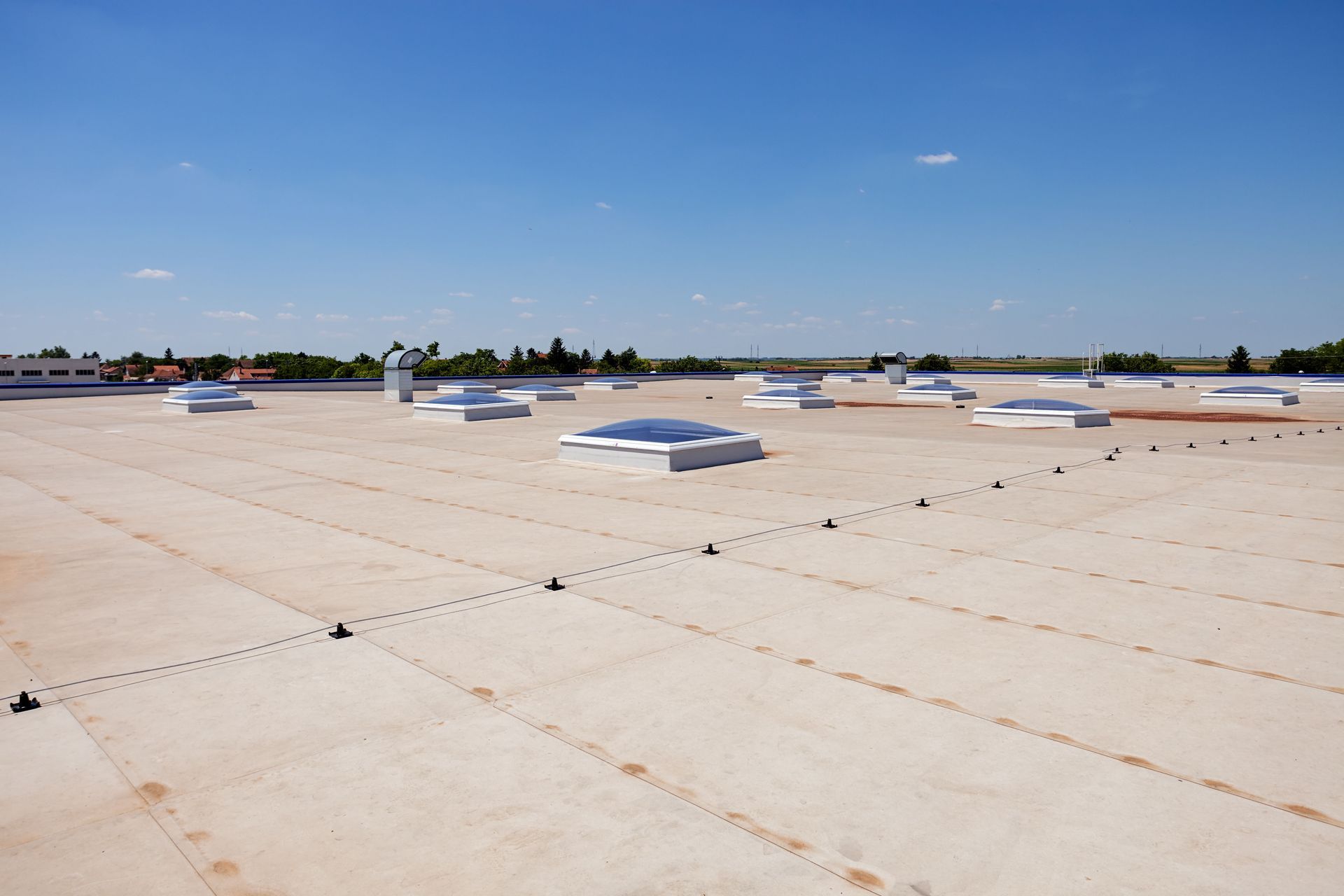
Commercial roofs serve as the first line of defense against the elements, safeguarding valuable assets beneath. Their design must accommodate factors such as drainage, insulation, and load-bearing, making them complex systems that require specialized care from a commercial roofing contractor. Without regular inspections, minor wear and tear can escalate into significant structural problems affecting the entire building.
Maintaining a strong roof ensures the protection of both physical assets and the occupants of a building. As these roofs face stress from environmental conditions, their upkeep is critical to prevent water intrusion, energy inefficiencies, and potential safety hazards. Proactive care through routine inspections by a commercial roofing contractor contributes to the overall health and performance of a commercial facility.
Commercial roofs fulfill multiple roles, from energy conservation to occupant protection. Their successful operation depends on attentive management, which begins with understanding their importance in the building's functionality. As such, regular checks and maintenance performed by a commercial roofing contractor are indispensable for the longevity and reliability of roofing systems.
Common Roofing Materials and Their Vulnerabilities
Various materials are used in commercial roofing, each with distinct vulnerabilities. For instance, asphalt-based materials might be prone to cracking in fluctuating temperatures, while metal roofs can suffer from rust if not properly coated. Understanding these inherent weaknesses helps a commercial roofing contractor tailor inspection and maintenance strategies effectively.
Knowing the specific threats to different materials allows for appropriate preemptive measures. It guides the implementation of protective coatings and regular cleaning protocols to combat these vulnerabilities. Routine inspections conducted by a commercial roofing contractor and tailored to material type ensure that potential failures are spotted early.
The longevity of a roof is directly impacted by material-specific issues that, if unattended, can affect structural integrity. By recognizing these weaknesses, building managers and a commercial roofing contractor can implement effective solutions to bolster the roof's durability and performance. Regular inspections identify early signs of degradation and lead to targeted maintenance actions.
How Weather Conditions Affect Roofing
Weather is an undeniable factor in the lifespan of a commercial roof. Inclement conditions, including heavy rains, snow, and extreme temperatures, impose considerable stress on roofing materials. Without periodic inspections by a commercial roofing contractor, damage from these elements can go unnoticed until it culminates in major repair needs.
Each season introduces unique challenges; spring and fall, in particular, bring varying temperatures that cause expansion and contraction of materials. According to GAF, roof systems should be inspected at least biannually, once in the spring and again in the fall, to catch any season-specific damage. These inspections become even more crucial in regions prone to severe weather bouts.
Understanding weather impacts allows facilities to anticipate and act upon potential issues, ensuring structural integrity. Regular inspections, particularly after severe weather events, are essential for detecting and mitigating any damage. This preparedness, often guided by a commercial roofing contractor, enables timely interventions that can significantly prolong the life of a roof.
Identifying Potential Problems Early
Common Signs of Roof Damage
Identifying early signs of roof damage is crucial to preventing further deterioration. Common indicators include water stains on ceilings, mold growth, and visible signs of wear on roofing materials. Routine inspections by a commercial roofing contractor enable these problems to be caught early, allowing for more efficient remediation.
Additionally, homeowners should be vigilant after severe weather events, as strong winds or heavy rains can exacerbate existing issues. Taking proactive measures to address minor damage can save on high long-term costs and extend the roof's lifespan.
Being vigilant about these signs can save businesses from costly fixes. Minor issues, if addressed promptly, can prevent larger structural failures that demand significant investments to repair. Regular checks serve as a preventative measure against escalating damage.
Professional inspections from a commercial roofing contractor provide insights that might not be apparent at first glance. Experts can recognize subtle signs of trouble that may lead to substantial problems later on. By addressing these issues early, businesses protect their assets and ensure the roof's performance.
The Dangers of Unnoticed Water Leaks
Water leaks are among the most insidious threats to commercial roofing. Unseen leaks can lead to extensive water damage, affecting insulation and structural elements, and potentially promoting mold growth. Early detection through regular inspections by a commercial roofing contractor minimizes these risks and helps maintain indoor air quality.
When water infiltrates unnoticed, it can saturate building components, causing rot and decay. The presence of moisture in hidden areas can lead to significant repair costs and health issues for occupants. Regular inspections are critical in identifying leaks and implementing remedial action promptly.
Unchecked leaks not only damage the roof but also compromise the building's integrity. Addressing these leaks early through regular inspections prevents further deterioration. This practice ensures business operations are not interrupted by unforeseen water-related issues.
Impact of Minor Issues Leading to Major Repairs
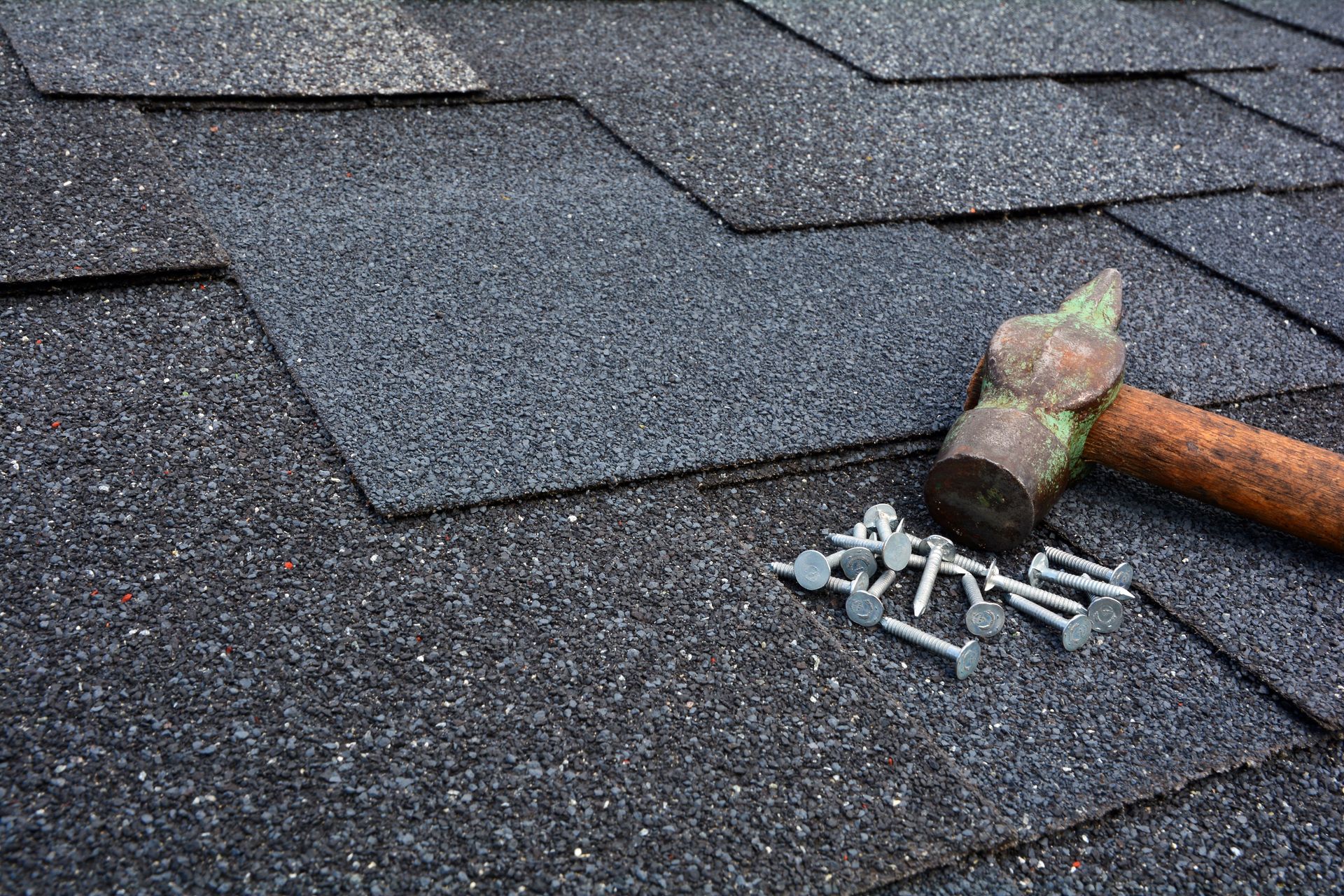
Minor roofing problems, when ignored, can spiral into substantial repairs. Small fissures or missing shingles, if left unaddressed, pave the way for water intrusion and structural damage. Routine inspections conducted by a commercial roofing contractor are pivotal in spotting these issues before they escalate.
Addressing minor issues during routine checks helps strengthen the roof against more severe damage. A stitch-in-time approach can save businesses from financial burdens that arise from large-scale repairs. It emphasizes proactive measures over reactive responses to roofing problems.
The transformation from minor to major damage occurs relatively quickly, driven by neglect and time. Inspections offer a chance to intervene early, avoiding the escalation of problems. Consistent monitoring is an investment in maintaining the roof's integrity and shielding the business from costly interventions.
Preventive vs. Reactive Maintenance
The distinction between preventative and reactive maintenance is crucial in roofing care. Preventive maintenance involves regular inspections and minor repairs, while reactive maintenance is about addressing issues after they arise. Prioritizing the former with the help of a commercial roofing contractor can save resources and ensure longer-lasting roof performance.
Preventive maintenance strategies identify and address potential problems before they become significant. In contrast, reactive maintenance often incurs higher costs due to emergency repairs and downtime impacts. Businesses that adopt preventative approaches minimize disruptions and enhance their financial predictability.
Maintaining a balance between preventative and reactive measures requires foresight and planning. Routine inspections and a regular maintenance schedule, often guided by a commercial roofing contractor, lay the groundwork for a preventive strategy. This approach ensures that minor issues are managed efficiently, as opposed to allowing them to grow into larger problems.
Regular inspections are crucial to safeguarding your commercial roof and protecting your assets. Don't wait for minor issues to escalate into costly repairs. Trust the experts at USA Roofing & Waterproofing LLC, your reliable commercial roofing contractor, to provide comprehensive inspection and maintenance services tailored to your needs. Contact us today to schedule your next roof inspection and ensure the longevity and integrity of your roofing system!