October 8, 2026
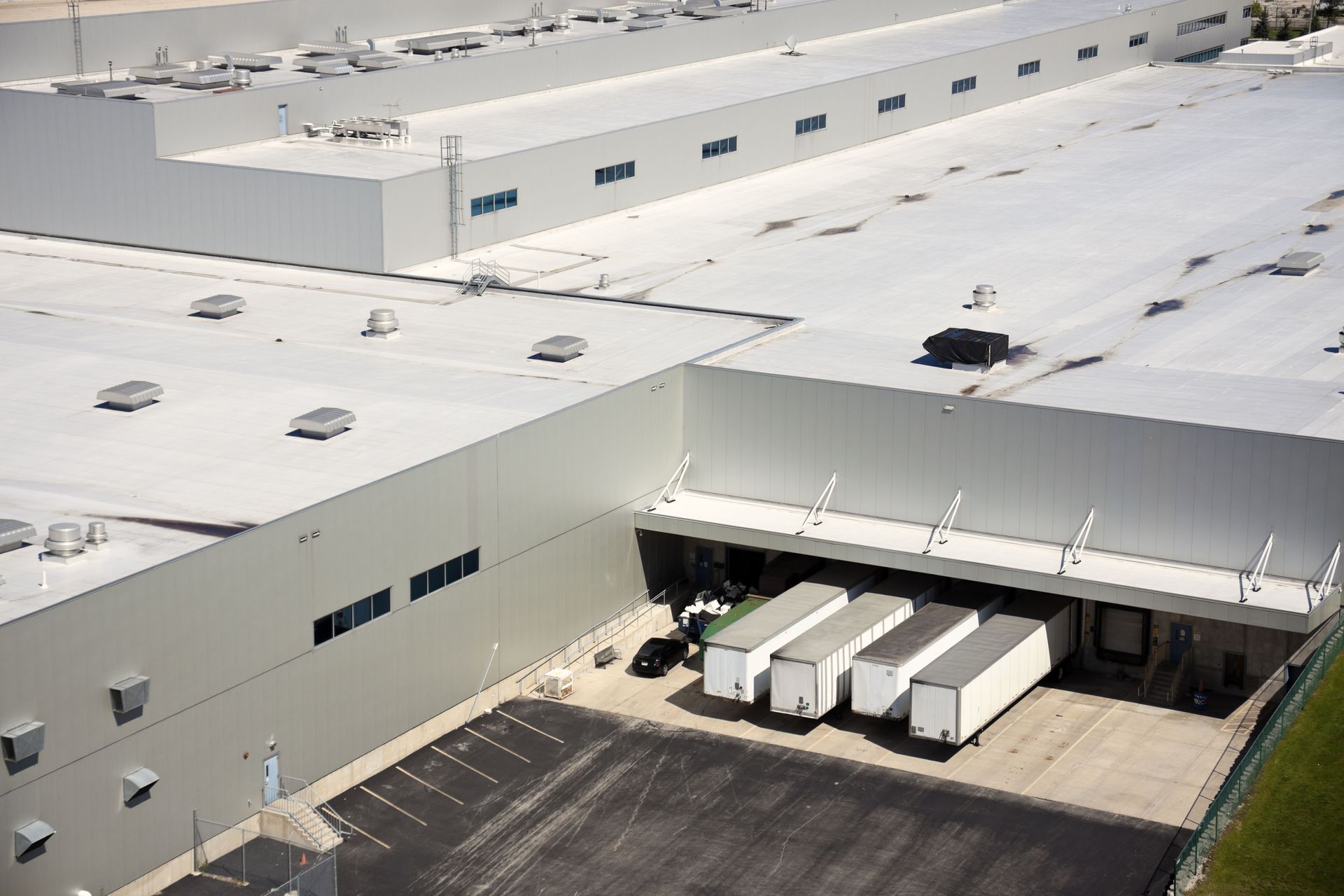
Maintaining a commercial building requires constant vigilance against environmental elements that can compromise structural integrity. Among the various threats facing flat and low-slope roofing systems, standing water represents one of the most destructive and insidious hazards. When rainwater accumulates on a roof surface and remains for extended periods, it exerts continuous downward pressure on underlying building materials. Prolonged exposure to standing water accelerates membrane degradation, weakens structural decking, and increases the likelihood of catastrophic interior leaks. Preventing water accumulation demands a thorough understanding of roof geometry, drainage dynamics, and specialized waterproofing techniques. Building owners who address drainage vulnerabilities proactively protect their physical assets, maintain daily business operations, and preserve long-term property performance.
Resolving persistent water accumulation issues requires specialized expertise that extends beyond basic surface patching. Partnering with an experienced commercial roofer ensures that underlying drainage defects, structural sagging, and membrane vulnerabilities are identified and corrected systematically. Qualified roofing specialists analyze how water moves across large surface areas, evaluating drain placement, gutter capacity, and slope consistency to create effective water management strategies. By implementing custom drainage solutions and installing durable waterproofing barriers, professional technicians prevent standing water from threatening commercial facilities.
Conducting Comprehensive Drainage Evaluations
Preventing water accumulation begins with a detailed physical inspection of the entire roof deck and its surrounding drainage infrastructure. Over time, building settling, structural shifting, and heavy HVAC equipment installation can create low spots where rainwater gathers naturally. A skilled commercial roofer conducts thorough elevation surveys across the roof surface, identifying subtle depressions that collect water after heavy storms. Detecting these problem areas early enables technicians to formulate targeted correction plans before moisture penetrates internal insulation layers.
During structural evaluations, technicians also inspect existing drains, scuppers, gutters, and downspouts to verify flow capacity and structural condition. Debris accumulation, thermal expansion, and mechanical damage can constrict drainage pathways, causing water to back up onto flat roof surfaces. Professional inspectors evaluate whether current drainage assemblies meet the physical demands of regional storm events. Identifying restricted drainage channels allows specialists to restore unobstructed water flow before heavy rainfall creates severe surface pooling.
In addition to inspecting surface components, specialists assess underlying insulation and structural decking for hidden moisture damage. Prolonged exposure to trapped moisture causes insulation boards to compress and decay, exacerbating low spots on the roof surface. Utilizing infrared thermography and moisture meters, technicians locate saturated subsurface areas that require removal and replacement, restoring structural support across sagging roof sections.
Designing Effective Slope Configurations
Proper water diversion relies on subtle slope configurations that guide rainwater efficiently toward designated drainage outlets. Even roofs that appear completely flat to the naked eye must possess a minimal incline to prevent water from remaining stagnant. According to Realty Times, low-slope commercial roofs are designed with a subtle incline that measures at least ¼ inch per foot to encourage proper drainage. When original building designs lack adequate slope, water naturally collects in low areas, accelerating surface wear and biological growth.
To correct inadequate slope, an assertive commercial roofer installs tapered insulation systems customized to the unique dimensions of the building. Tapered insulation panels are manufactured with gradual incline angles that create artificial slopes toward existing drains and scuppers. Installing tapered insulation eliminates low spots, improves thermal efficiency, and ensures that rainwater flows smoothly off the building. Correcting structural slope defects eliminates standing water hazards permanently without requiring extensive structural alterations to the underlying building frame.
Custom crickets and saddles are also installed behind rooftop equipment curbs and wide chimneys to divert water around obstructions. Unmanaged rainwater hitting large HVAC units can pool behind equipment housings, creating localized moisture traps. Fabricating tapered cricket channels directs water away from equipment bases, directing flow toward main drainage channels, and preventing localized membrane degradation.
Clearing Clogged Drainage Assemblies
Even perfectly sloped roofs will experience water accumulation if primary drainage outlets become blocked by debris, leaves, and environmental sediment. Windblown dust, fallen leaves, and nesting materials collect around drain strainers, restricting water entry and creating large pools during heavy downpours. Regularly clearing drainage assemblies is essential for maintaining unimpeded water flow across low-slope roofing systems.
Enlisting a dedicated commercial roofer guarantees that drain strainers, internal piping, and exterior scuppers are cleared and flushed using specialized equipment. Technicians remove accumulated silt, clear organic debris, and inspect clamping rings to ensure watertight seals around drain perimeters. Restoring full flow capacity through primary drains prevents water from backing up and pooling across flat membrane surfaces during intense weather events.
In addition to cleaning primary drains, specialists inspect secondary emergency overflow scuppers to ensure backup drainage channels remain operational. If primary drains become completely blocked during severe storms, overflow scuppers provide essential secondary outlets that prevent water from reaching dangerous structural depth levels. Maintaining functional overflow scuppers protects buildings from catastrophic structural overload during extreme precipitation events.
Installing High-Performance Waterproof Membranes
Waterproof membranes form the primary defense layer against moisture intrusion, shielding underlying insulation and structural framing from standing water damage. Over time, ultraviolet radiation, thermal expansion, and standing water exposure can cause inferior membrane materials to crack, blister, or separate at seam lines. Installing durable, seamless membrane systems ensures long-term resistance against water penetration, even in areas prone to temporary water accumulation.
A knowledgeable commercial roofer applies advanced single-ply membranes, such as TPO, EPDM, or PVC, utilizing heat-welded seams or specialized liquid adhesives to create monolithic waterproof barriers. Heat-welded seams fuse adjacent membrane sheets together, forming bonds that are stronger than the material itself. Creating continuous, impenetrable seams eliminates vulnerable entry points, preventing standing water from seeping beneath the membrane and saturating interior building spaces.
Liquid-applied waterproofing coatings are also utilized by a commercial roofer to reinforce high-risk flashing details around pipe penetrations, skylights, and parapet walls. Elastomeric coatings form flexible, seamless rubber barriers that expand and contract with seasonal temperature changes. Applying liquid coatings over vulnerable flashing connections creates durable watertight seals that withstand temporary immersion without deteriorating or leaking.
Executing Scheduled Maintenance Programs
Sustaining long-term protection against standing water requires a commitment to routine inspection and preventative maintenance programs. Seasonal weather changes, windstorms, and foot traffic from service technicians can introduce subtle wear that impairs drainage functionality over time. Establishing structured maintenance schedules catches minor surface defects, loose flashing, and early drainage blockages before they escalate into major leaks.
Partnering with a reliable commercial roofer for ongoing maintenance ensures that certified technicians conduct semi-annual inspections and post-storm evaluations. Specialists clean drainage channels, re-seal flashing boots, and patch minor membrane punctures before moisture compromises underlying insulation. Proactive maintenance preserves membrane elasticity, maintains unobstructed drainage pathways, and extends the operational lifespan of the entire roofing system.
Detailed maintenance documentation also provides building owners with comprehensive records of roof performance and completed repairs. Documenting regular inspections demonstrates diligent property management, preserving manufacturer warranty coverage and supporting long-term facility planning. Consistent professional oversight guarantees that commercial roofs remain dry, durable, and fully operational across their intended service lives.
Preventing standing water on flat and low-slope roofs is critical for protecting commercial facilities from structural damage, insulation decay, and interior water intrusion. Through detailed drainage evaluations, custom tapered insulation designs, regular drain cleaning, and high-performance waterproof membrane installations, professional specialists eliminate water accumulation hazards effectively. Investing in expert design and structured preventative maintenance ensures that commercial facilities maintain superior weather resistance, operational continuity, and long-term structural integrity against severe environmental conditions.
If you are ready for comprehensive roof protection and permanent drainage solutions, contact us at USA Roofing & Waterproofing LLC today. We will help you safeguard your commercial property with expert craftsmanship and reliable waterproofing solutions.