September 9, 2026
For business owners, facility managers, and real estate developers, a commercial property represents an immense financial and operational investment. Protecting that asset requires constant vigilance across every structural component, but few systems are as vital—or as heavily tested—as the roof. Serving as your building’s primary shield against nature's elements, a sound roof repels torrential downpours, high winds, snow accumulation, and punishing UV radiation while preserving internal climate control.
However, commercial roofing is a highly complex discipline that differs radically from residential roofing. Managing expansive square footage, navigating flat or low-slope drainage systems, adhering to strict industrial building codes, and installing heavy-duty commercial membranes demands a high level of specialized technical expertise. When it comes time to inspect, repair, or completely replace your facility’s roof, partnering with a credentialed, professional commercial roofer is essential.
Understanding what to expect throughout the process can remove anxiety and help you select the right partner for your property. From initial structural assessments and transparent contracting to advanced material selection and long-term preventive maintenance, knowing what a top-tier contractor brings to the table ensures your facility remains safe, operational, and fully protected.
The Commercial Roofing Landscape: Urban Realities and Materials
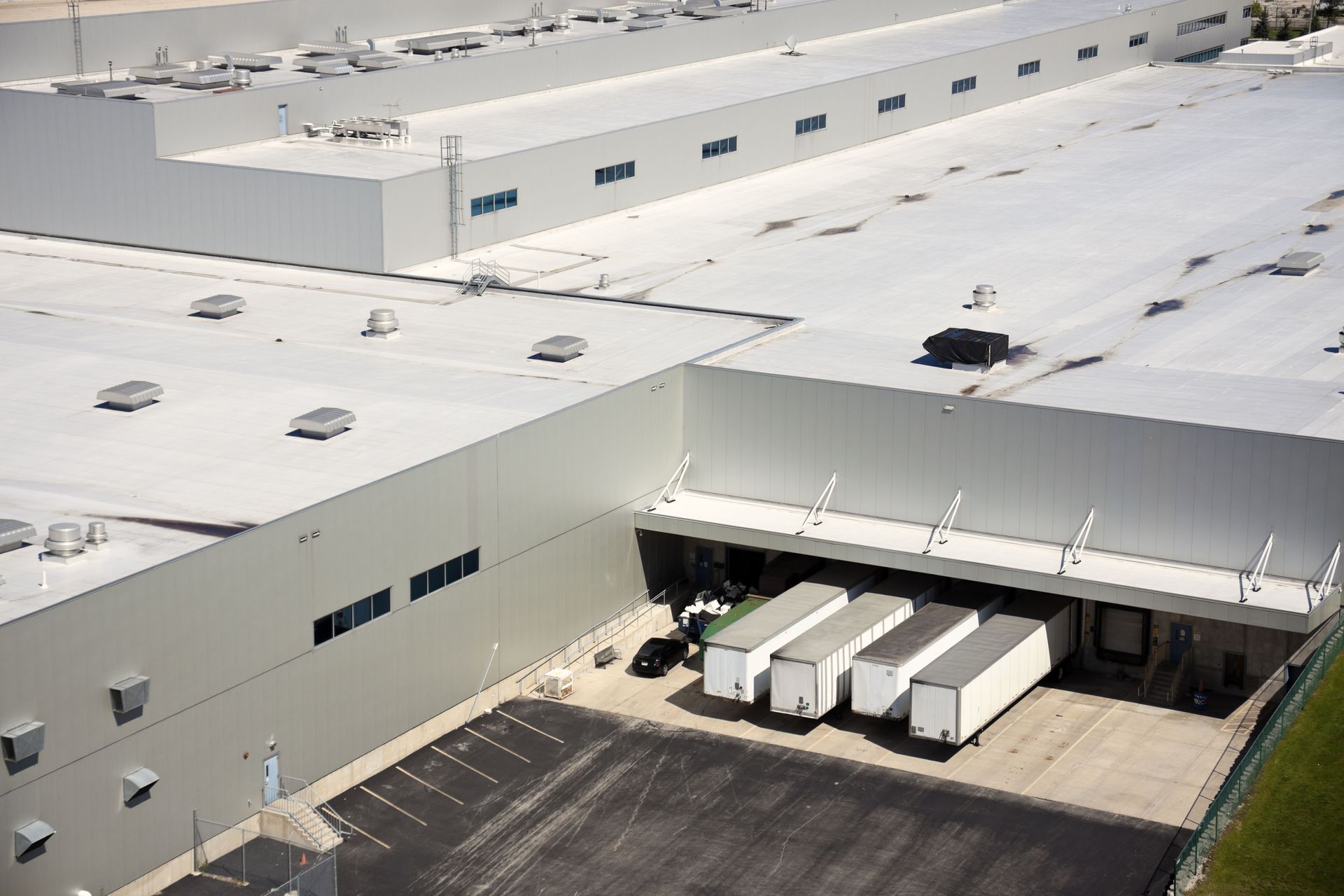
To appreciate the specialized skill set required in commercial construction, it helps to understand the unique structural realities of commercial properties across the country. Commercial roofs must accommodate heavy rooftop HVAC equipment, specialized exhaust systems, complex drainage pathways, and high foot-traffic from maintenance crews. Furthermore, material choices vary wildly based on building architecture and location.
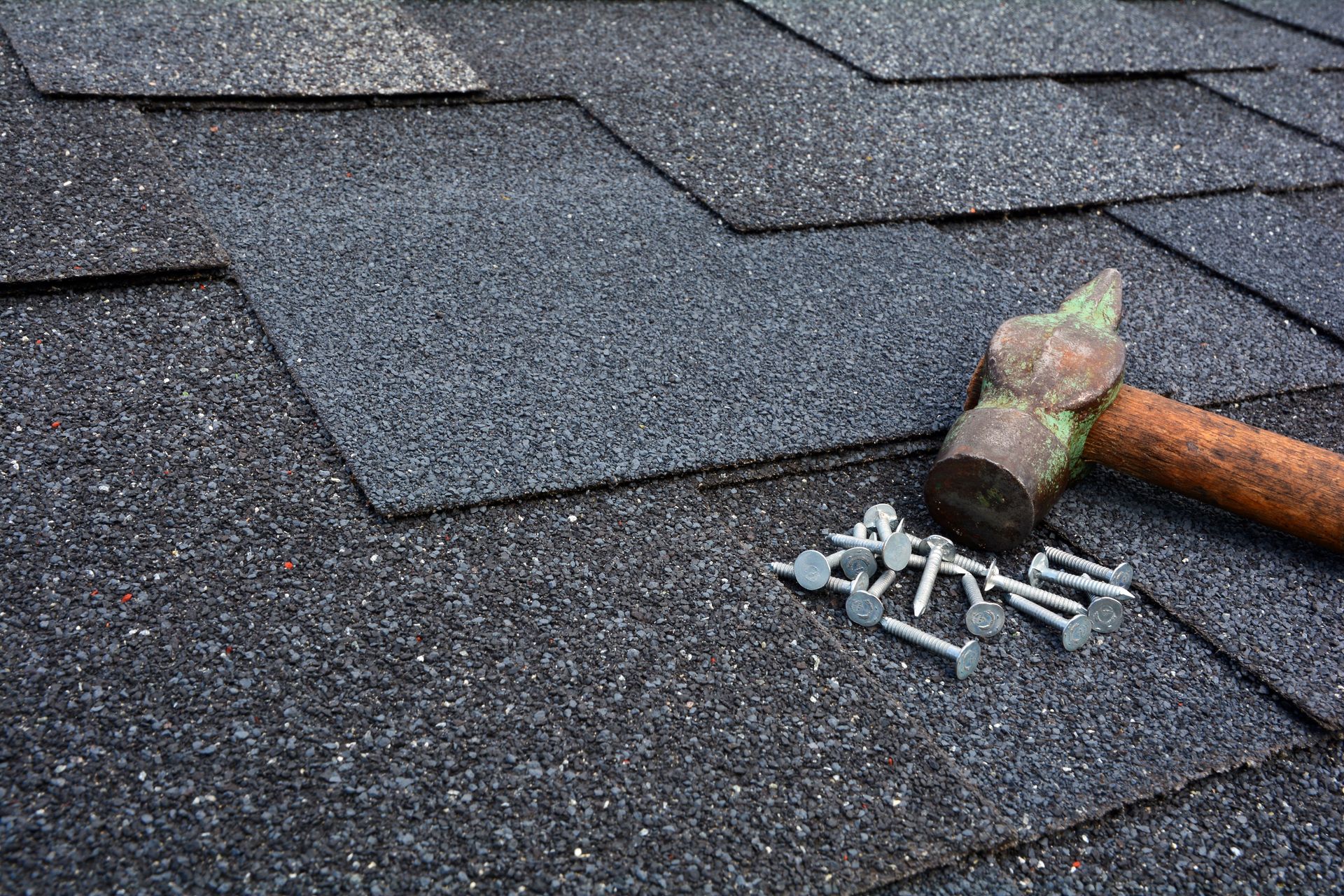
According to ZipDo, approximately 75% of commercial roofs in the U.S. are constructed with asphalt shingles, with flat roofs making up about 85% of commercial buildings in urban areas.
This distinction is crucial. In urban centers, where flat and low-slope architecture dominates, a skilled commercial roofer must master specialized single-ply membranes—such as TPO (Thermoplastic Polyolefin), EPDM (Ethylene Propylene Diene Monomer), and PVC—along with built-up roofing (BUR) and modified bitumen systems. In suburban or steep-slope commercial environments, expertise in high-grade architectural asphalt shingles or metal standing-seam systems is equally vital. Hiring a contractor who understands the exact material dynamics of your specific roof type is the first step toward long-term structural success.
Comprehensive Initial Inspections and Digital Diagnostics
The relationship with a trusted commercial roofer always begins with an exhaustive, highly detailed diagnostic assessment. A generic visual glance from a ladder is never enough for a commercial facility. Top-tier contractors utilize advanced technology to evaluate the true physical health of your entire roofing assembly, including hidden subterranean layers.
During a professional inspection, you should expect:
- Core Sampling: Taking small, precise core cuts through the roofing layers to determine the exact composition of the substrate, insulation type, moisture level, and the presence of any old, buried roofing layers.
- Thermal Infrared Scans: Utilizing specialized infrared cameras to detect trapped moisture beneath the membrane that is invisible to the naked eye, allowing targeted repairs instead of unnecessary full tear-offs.
- Drone Aerial Surveys: Capturing high-resolution imagery and 3D mapping of massive roof footprints quickly and safely.
- Rooftop Asset Checks: Meticulously checking flashings around HVAC units, skylights, parapet walls, expansion joints, and internal drains where leaks most frequently originate.
Following the assessment, a reputable contractor will provide a comprehensive, transparent report complete with high-resolution photos, thermal images, an honest evaluation of the remaining service life, and prioritized recommendations.
Transparent Contracting and Detailed Cost Estimates
Once the diagnostic inspection is complete, a reliable commercial roofer will present a clear, itemized proposal. Commercial construction contracts are major legal and financial documents, and there should never be any ambiguity regarding costs, scope of work, or project timelines.
A professional proposal should clearly outline:
- Material Specifications: Exact brand names, membrane thicknesses (e.g., 60-mil vs. 80-mil TPO), insulation R-values, attachment methods (mechanically attached vs. fully adhered), and flashing details.
- Scope of Work: Step-by-step descriptions of the tear-off process, deck repair protocols, vapor barrier installation, and disposal procedures.
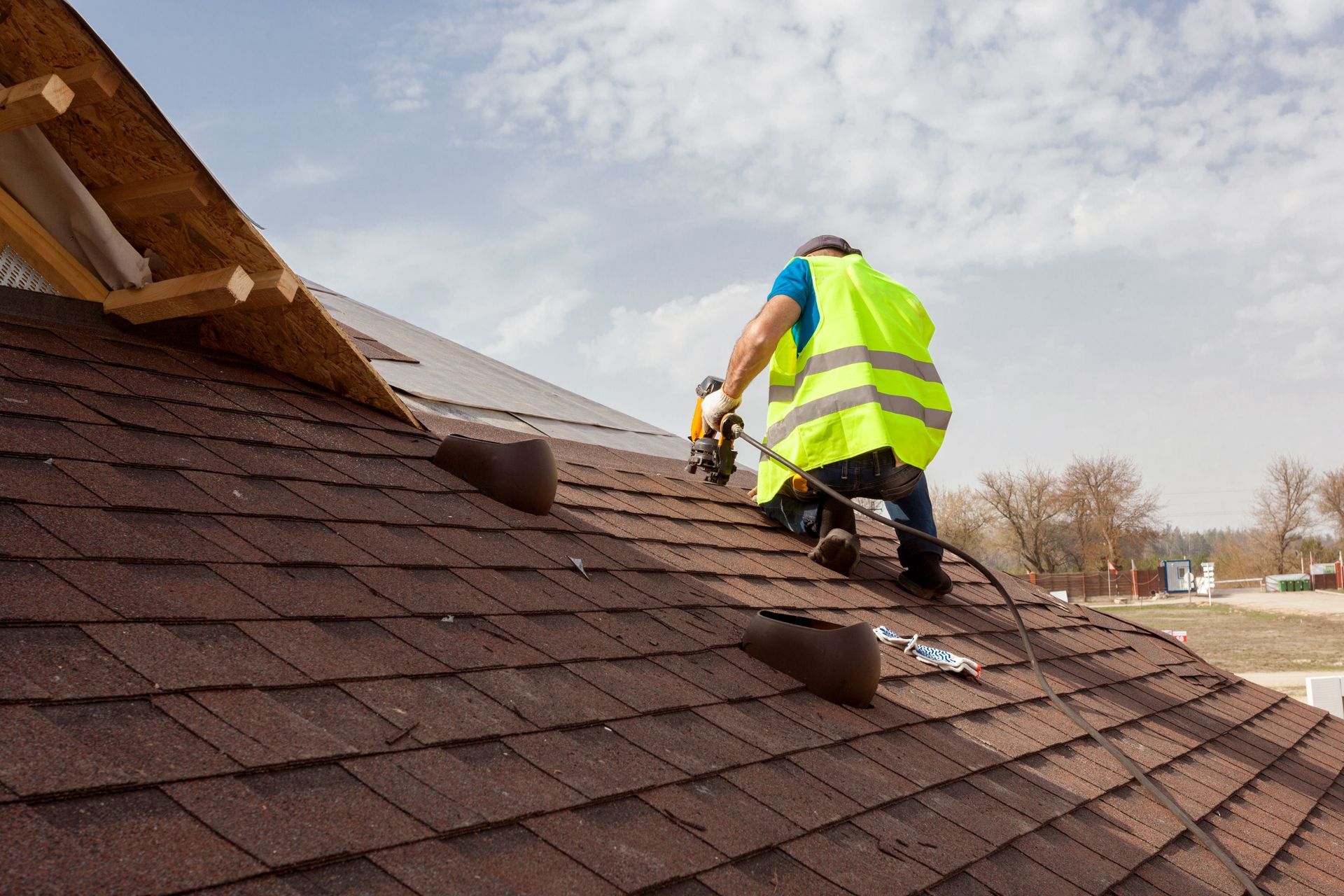
- Safety and Compliance Protocols: Detailed plans for OSHA safety compliance, perimeter fall protection, and public access safety around your building.
- Project Schedule: Estimated start dates, daily working hours, projected completion milestones, and weather contingency plans.
- Warranty Protections: Clear distinctions between the manufacturer’s material warranty (No Dollar Limit / NDL warranties) and the contractor’s physical workmanship guarantee.
Uncompromising Safety and Operational Business Continuity
One of the greatest concerns for any business owner during a major construction project is operational disruption. An experienced commercial roofer understands that your business cannot simply pause while work is being performed. Whether you operate a busy retail store, an active medical facility, or an industrial manufacturing plant, the contractor must execute the project while minimizing noise, odor, and safety hazards for your staff and customers.
Expect a professional team to implement strict site management protocols:
- Perimeter Safety Barriers: Erecting clear fencing, warning lines, and covered walkways to protect pedestrians and vehicles below from falling debris.
- Debris Management: Utilizing specialized trash chutes, crane staging areas, and dedicated dumpsters to keep the job site clean and secure at the end of every workday.
- Fume and Odor Mitigation: Managing low-VOC adhesives and asphalt kettles to ensure chemical odors do not enter your building’s HVAC intake systems.
- Off-Peak Scheduling: Offering early morning, evening, or weekend work options for loud tasks (such as tear-off or heavy fastening) to protect your daily business operations.
Expert Craftsmanship and Master Installation Techniques
Commercial roofing systems rely on absolute precision. On a flat roof, a single improperly welded seam or an unsealed flashing can allow thousands of gallons of driving rain to penetrate your building, causing severe structural wood rot, ruined inventory, and toxic mold growth.
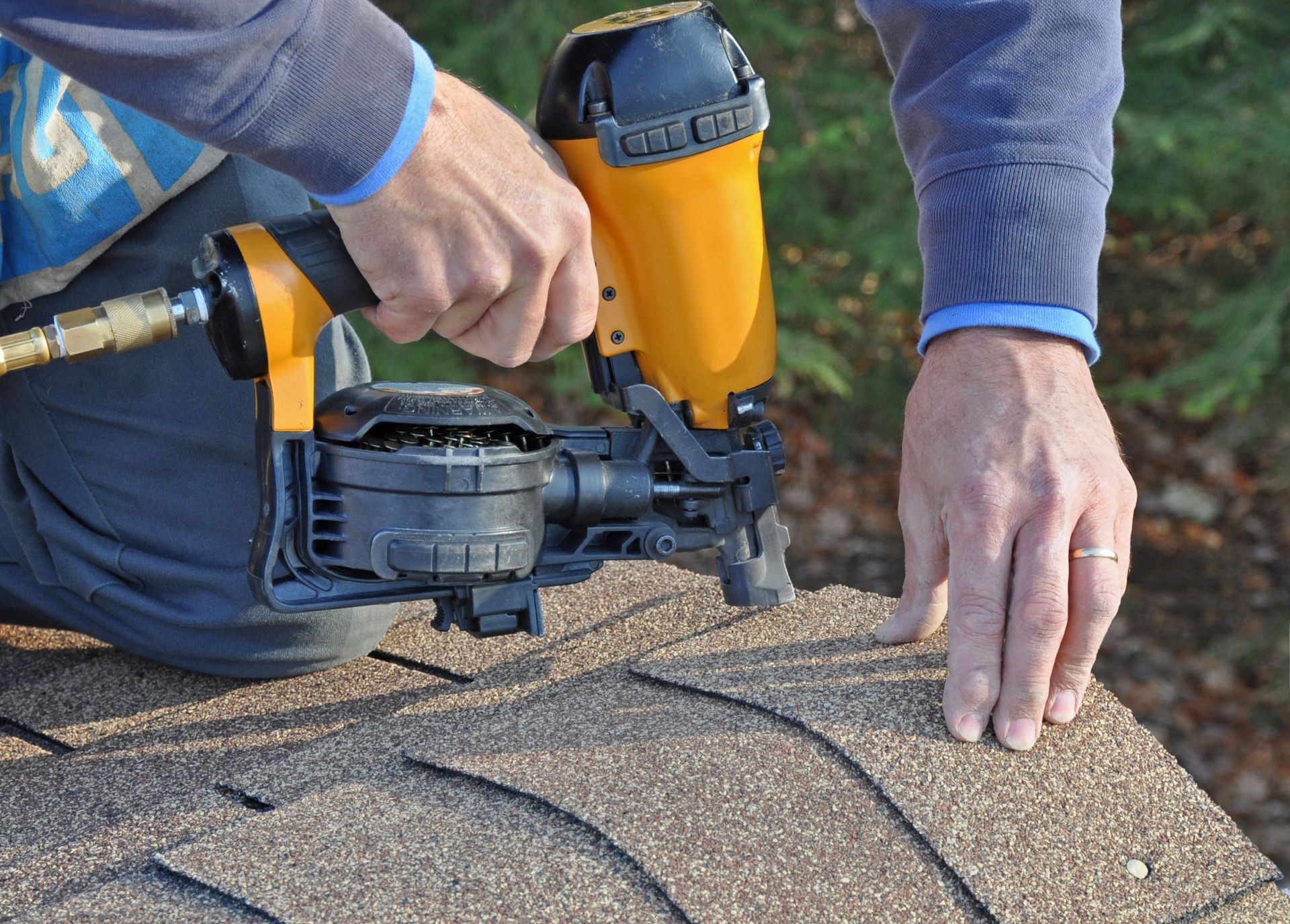
When you hire a credentialed commercial roofer, you are paying for certified master craftsmanship. Professional installers are factory-certified by major material manufacturers (such as Carlisle, GAF, Firestone, or Johns Manville). This certification ensures that crews weld single-ply membrane seams using precise hot-air tools, apply adhesives at exact ambient temperatures, and detail parapet walls to factory standards. Factory certification is also the only way to secure valuable, long-term Manufacturer No Dollar Limit (NDL) warranties that cover 100% of future repair costs if a material or installation defect occurs.
Proactive Post-Installation Clean-Up and Final Quality Audits
The mark of a true professional is how the job site is left when the heavy machinery leaves. A dedicated commercial contractor treats your physical property with immense respect. Upon completion of the structural installation, you should expect a comprehensive clean-up routine:
- Cleaning all rooftop gutters, internal drain bowls, and scuppers of loose construction debris.
- Sweeping the entire ground perimeter, parking lots, and loading docks with magnetic rollers to capture loose nails, screws, and metal trim scraps.
- Removing all scaffolding, temporary fencing, and leftover materials promptly.
Before final payment is collected, a top-tier commercial roofer will conduct a formal walk-through with your facility manager. Furthermore, if you opted for a manufacturer's NDL warranty, the contractor will coordinate a third-party inspection with an official technical representative from the material manufacturer, who will inspect every square foot of the installation before signing off on the long-term warranty certificate.
Long-Term Preventive Maintenance and Emergency Support
The relationship with a quality roofing specialist should not end when the installation crew packs up their trucks. A commercial roof is a major mechanical asset that requires routine professional care across the seasons. Environmental factors—such as severe hail, thermal expansion, rooftop foot traffic, and wind uplift—can cause subtle damage over time that, if left unaddressed, can void your manufacturer warranty.
A trusted commercial roofer offers proactive maintenance agreements that include:
- Semi-annual inspections (typically in spring and autumn) to clear internal drains, inspect expansion joints, and touch up sealant details.
- Detailed photo-documented maintenance logs required by manufacturers to keep warranties fully active.
- Priority 24/7 emergency repair dispatch during major weather events to stabilize active leaks quickly and prevent secondary interior property damage.
By choosing a licensed, factory-certified, and highly recommended commercial roofer, you secure far more than simple construction labor. You invest in advanced diagnostic accuracy, absolute OSHA safety compliance, expert installation, and a long-term maintenance partnership that protects your physical asset through every season. Before your next commercial project begins, take the time to research, interview, and partner with a proven commercial specialist—it is the ultimate way to ensure your business remains built on solid, dependable ground. Reach out to USA Roofing & Water proofing LLC today to see how we can help you!