May 26, 2026
Your roof plays a major role in protecting a home from rain, heat, wind, and changing weather. A well-cared-for roof can last longer and help prevent costly damage inside and outside the property. Many roofing problems begin with small warning signs that go unnoticed for too long. Regular attention from a qualified roofer can help spot issues early before they become larger concerns.
Roof care is not only about fixing visible damage. It also includes routine inspections, cleaning, and checking how the roof handles drainage and weather exposure throughout the year. Property owners who stay aware of roof conditions often avoid major disruptions and expensive repairs.
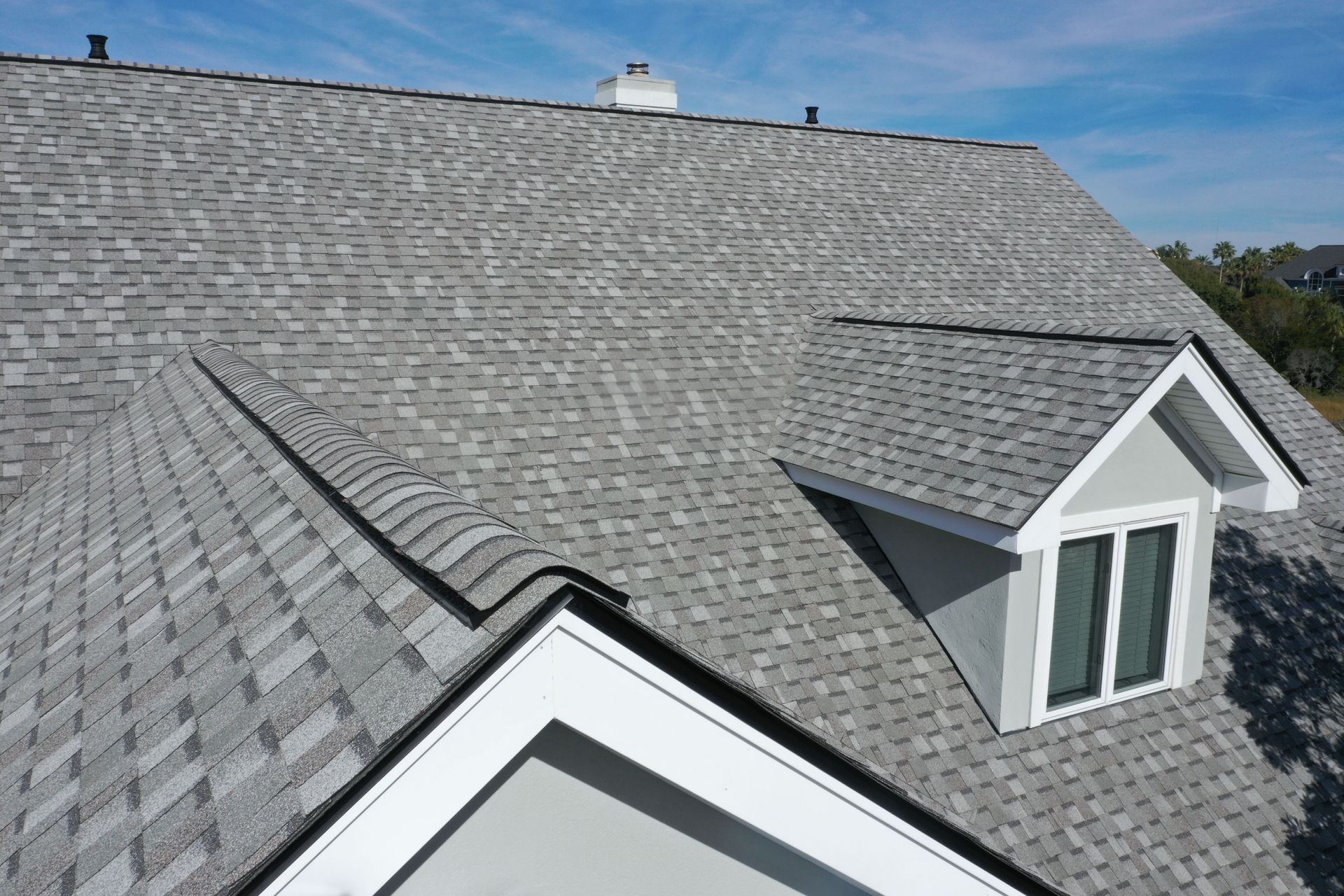
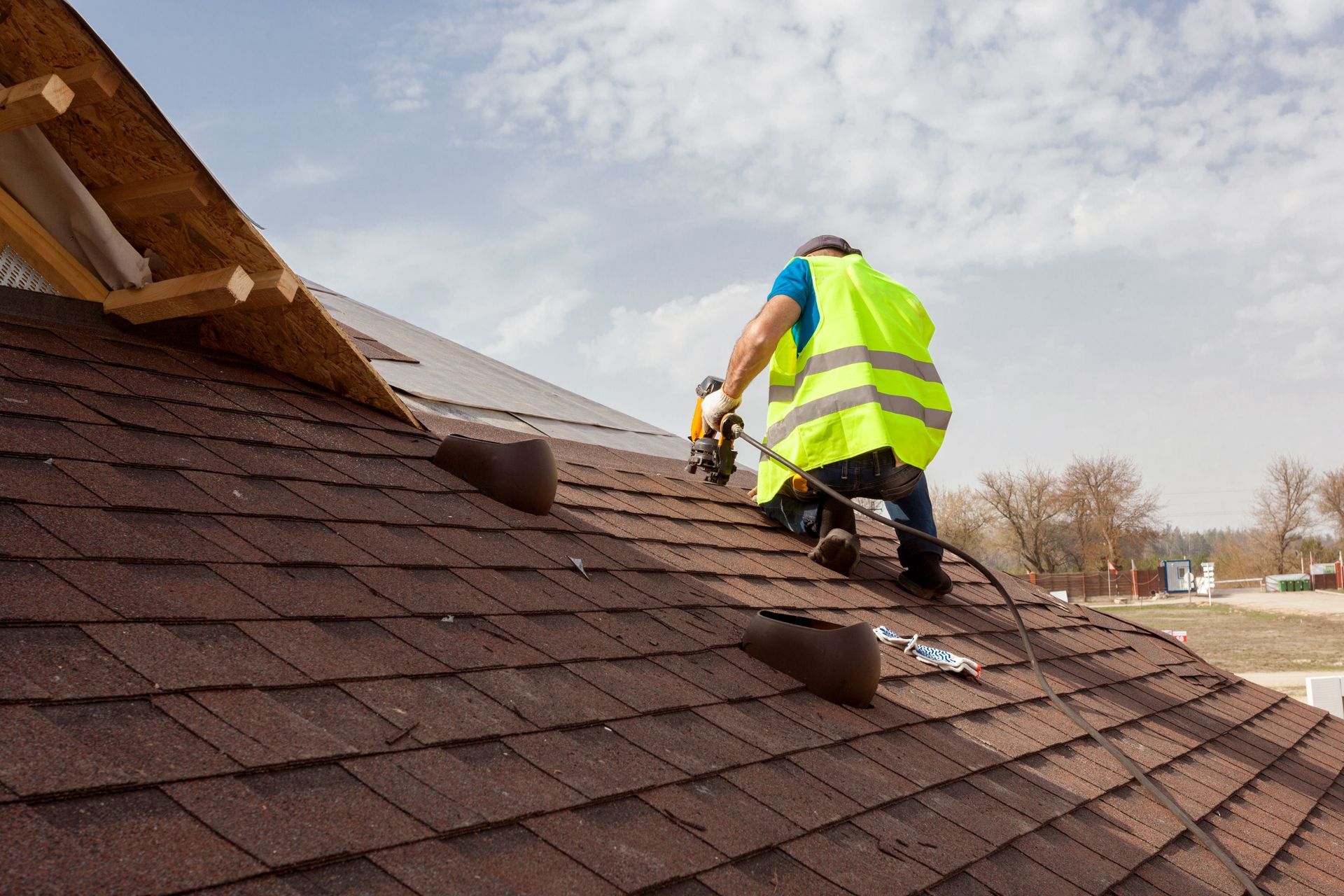
Working with a professional roofer is one of the best ways to keep a roof in good condition. Roofing systems contain many parts that need proper attention, including shingles, flashing, vents, gutters, and underlayment. Professional evaluations can help identify hidden wear that may not be visible from the ground.
Scheduling Routine Roof Inspections
Routine inspections are one of the most important parts of roof maintenance. A professional roofer can examine the roof for signs of aging, moisture buildup, damaged materials, and weak areas that may lead to leaks. Many roofing problems start small and become worse over time. Loose shingles, cracked flashing, and blocked drainage systems may seem minor at first, but they can create larger structural problems if ignored. Regular inspections can help property owners stay ahead of these issues.
Seasonal weather changes can also affect roofing materials. Heavy rain, intense sunlight, and strong winds may weaken sections of the roof over time. Scheduling inspections after severe weather can help identify damage early. A roofer may also inspect attic ventilation and moisture levels during a visit. Poor ventilation can trap heat and moisture inside the home, which may shorten the life of roofing materials. Maintaining balanced airflow helps reduce unnecessary strain on the roof.
Cleaning Roof Surfaces Regularly
Keeping roof surfaces clean can help reduce long-term wear. Leaves, branches, dirt, and debris may trap moisture against roofing materials. Over time, moisture buildup can contribute to stains, mold growth, and material breakdown. Professional roof cleaning can help remove buildup safely while protecting roofing materials from unnecessary damage. Some roofing surfaces require gentle cleaning methods that should only be handled by trained crews.
Gutters also play a major role in roof performance. When gutters become clogged, water may overflow and collect around the roofline. This can increase the chance of leaks and water damage around the home. A roofer can inspect drainage systems and clear out debris that blocks proper water flow. Keeping gutters and downspouts clean allows rainwater to move away from the roof more effectively. Roof cleaning can also improve the appearance of a property. Dark streaks, moss, and debris buildup may make a roof look older than it actually is. Regular maintenance helps maintain a cleaner and more cared-for appearance.
Addressing Minor Roof Damage Early
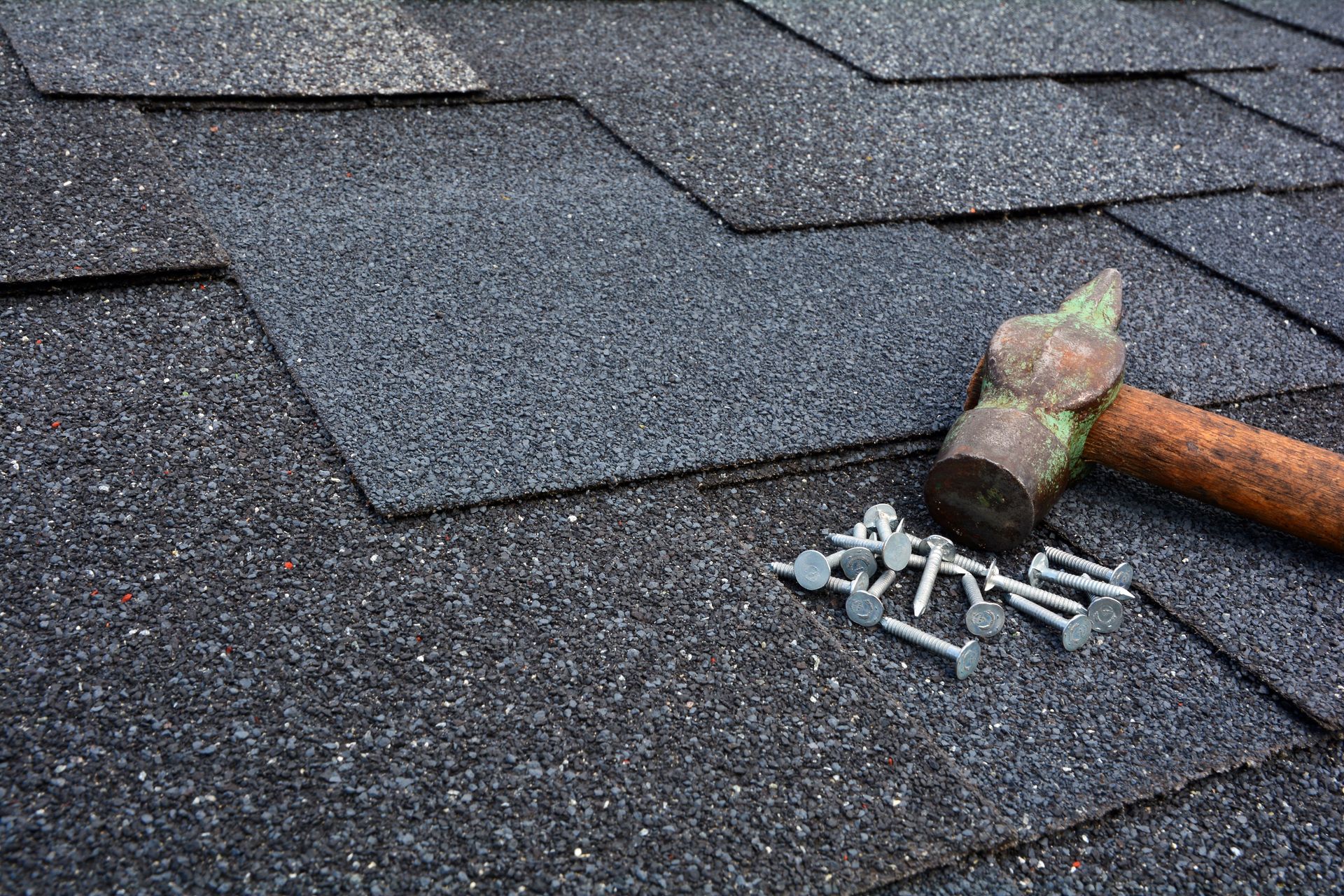
Small roofing problems should never be ignored. Minor damage can spread quickly when exposed to rain, heat, and changing weather conditions. Early attention may help reduce repair costs and limit structural damage. According to Today's Homeowner, for roofs under 15 years old with minor damage, targeted repairs can be a cost-effective method to extend their lifespan. Cracked shingles, missing materials, and small leaks are common issues that may require prompt attention from a roofer. Water entering through even a small opening can damage insulation, ceilings, walls, and wooden supports.
Roof flashing is another area that deserves attention. Flashing helps direct water away from roof joints, vents, chimneys, and skylights. If flashing becomes loose or worn, moisture may enter vulnerable areas around the roof. Professional repairs can help restore damaged sections before conditions worsen. A roofer can also inspect nearby areas to determine whether additional repairs are needed. Ignoring minor roof damage for too long may eventually lead to larger replacement needs. Quick action often helps preserve the condition of the roofing system.
Monitoring Roof Drainage Systems
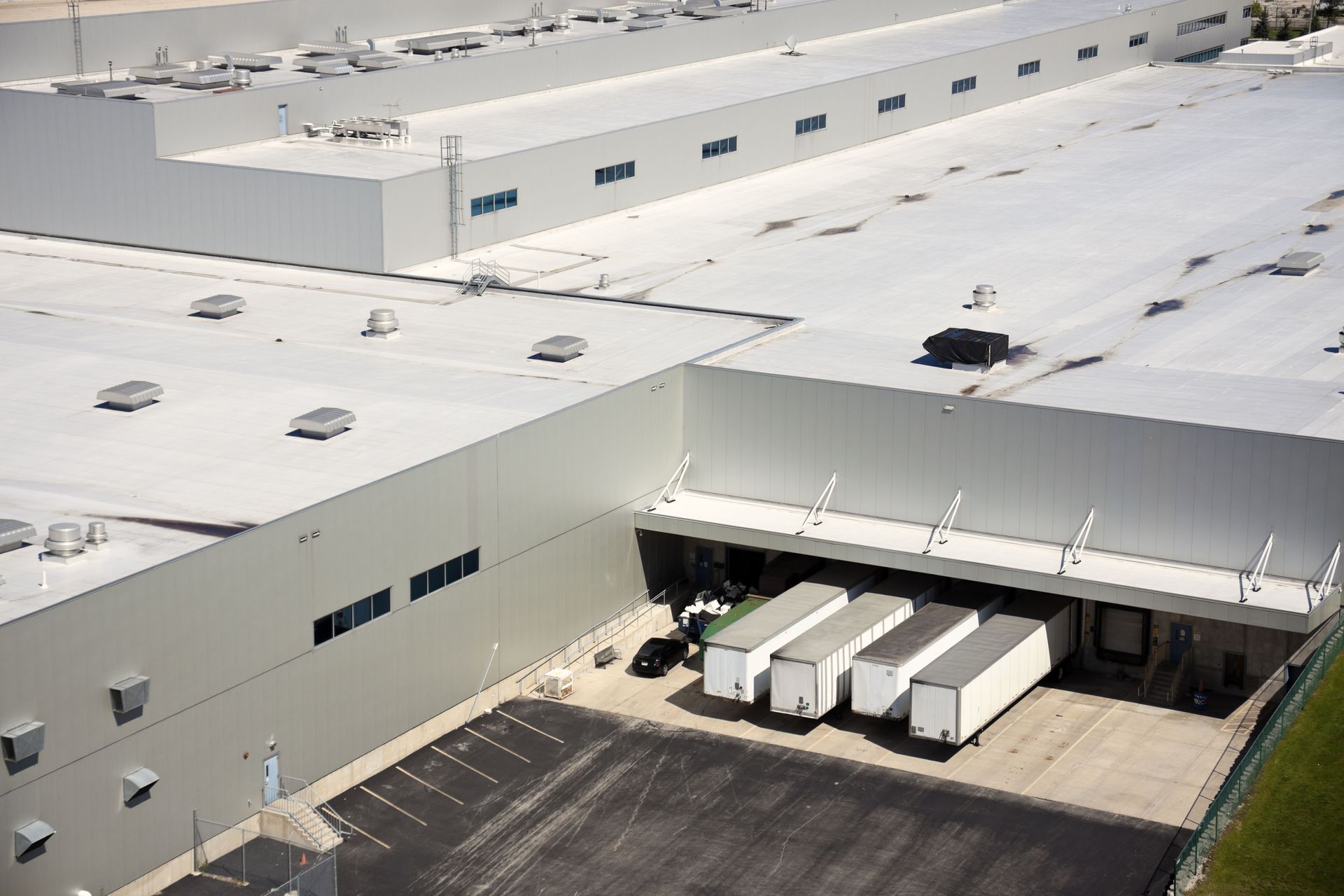
Proper drainage is important for roof health. Water should move smoothly away from the roof during storms and heavy rain. Poor drainage can allow standing water to collect on roofing surfaces, increasing the risk of leaks and material damage. Flat and low-slope roofs are especially vulnerable to drainage problems. Standing water may place extra weight on roofing materials and increase surface wear over time.
A professional roofer can inspect drainage paths, gutters, and downspouts to confirm water is moving properly away from the property. Drainage evaluations may also identify signs of sagging, pooling, or blockages. Overflowing gutters can create additional problems around the home. Water may collect near the foundation, stain siding, or damage landscaping areas. Keeping drainage systems clear supports the condition of both the roof and the surrounding property. Tree branches near the roof may also affect drainage. Falling leaves and debris often collect in gutters and roof valleys during seasonal weather changes. Routine maintenance visits can help keep these areas clear.
Protecting Roofs From Weather Conditions
Weather exposure affects every roofing system over time. Heat, rain, humidity, hail, and strong winds all contribute to normal wear. Roof maintenance plans should account for seasonal conditions throughout the year. Storm damage may not always be visible from the ground. Strong winds can loosen shingles and flashing, while hail may create cracks or dents in roofing materials. A roofer can inspect the roof after major storms and identify hidden issues.
Sun exposure may also affect roofing materials. Constant heat and ultraviolet rays can dry out certain materials and weaken their surface over time. Regular evaluations help identify areas showing early signs of weather-related wear. Homes in humid climates may also face concerns involving algae and mold growth. Moisture trapped on roof surfaces can gradually affect appearance and material condition. Professional cleaning and inspections can help reduce these concerns. Property owners who stay proactive with weather-related maintenance often reduce the chance of major roofing problems later.
Maintaining Professional Roof Care Plans
Long-term roof care works best when maintenance stays consistent. Waiting until major leaks appear often leads to more costly repairs and disruptions. Routine service plans can help keep roofing systems in better condition year after year. Professional roof care may include inspections, cleaning, drainage checks, and repair evaluations throughout the year. These visits help identify developing concerns before they become larger problems.
A roofer can also provide guidance on the overall condition and age of the roof. Understanding the current state of roofing materials helps property owners plan for future maintenance needs. Roof maintenance records can also be helpful. Keeping track of inspections and repairs may support future property sales and insurance discussions. Organized records provide a clearer picture of the roof's condition over time. Consistent roof care supports both appearance and structural performance. A roof that receives regular attention is often better prepared to handle changing weather and daily exposure.
Keeping a roof in good shape requires ongoing attention and professional care. Routine inspections, cleaning, drainage maintenance, and early repairs all play a role in extending the life of a roofing system. Working with a qualified roofer can help identify problems early and reduce the chance of larger damage over time. For dependable support from a roofer, contact USA Roofing & Waterproofing LLC today.