May 26, 2026
In this article, we will explore the critical indicators that suggest your roof requires significant repairs. Recognizing these signs early can save you substantial time, money, and stress. A well-maintained roof is essential for your home's protection and value. Given that a damaged roof can compromise the integrity of your entire house, it is crucial to be vigilant and proactive in its maintenance. Our goal is to equip you with the knowledge to identify common roof issues, so they can be easily tackled with the help of a professional residential roofer.
1. Leaking and Water Damage
One of the most apparent signs that your roof needs attention is the presence of leaks and water damage. Water stains on ceilings are often the first visible indicators of a leaking roof. It's essential to address these stains promptly to prevent further interior damage. Moreover, persistent leaks can lead to structural issues that could compromise your home's safety. Effective identification of leaks requires regular inspections and swift action.
Ignoring leaks can have dire consequences. The accumulated water can weaken the framework of your home and foster mold growth that can affect health. Mold and mildew thrive in moist environments, leading to respiratory problems for inhabitants. Repairing leaks sooner rather than later can prevent these potentially hazardous conditions. Having a residential roofer regularly inspecting your attic can help detect moisture signs early, ensuring prompt intervention.
Mold and mildew not only pose health risks but also highlight a neglected roofing issue. Spores can spread quickly, emphasizing the urgency for swift action.
Additionally, checking your attic for moisture is a critical step in maintaining roof health. Look for any damp spots or mold growth, which could indicate an undetected leak. Preventative measures, such as installing proper insulation and regular roof inspections, can significantly reduce future leak risks.
2. Damaged or Missing Shingles
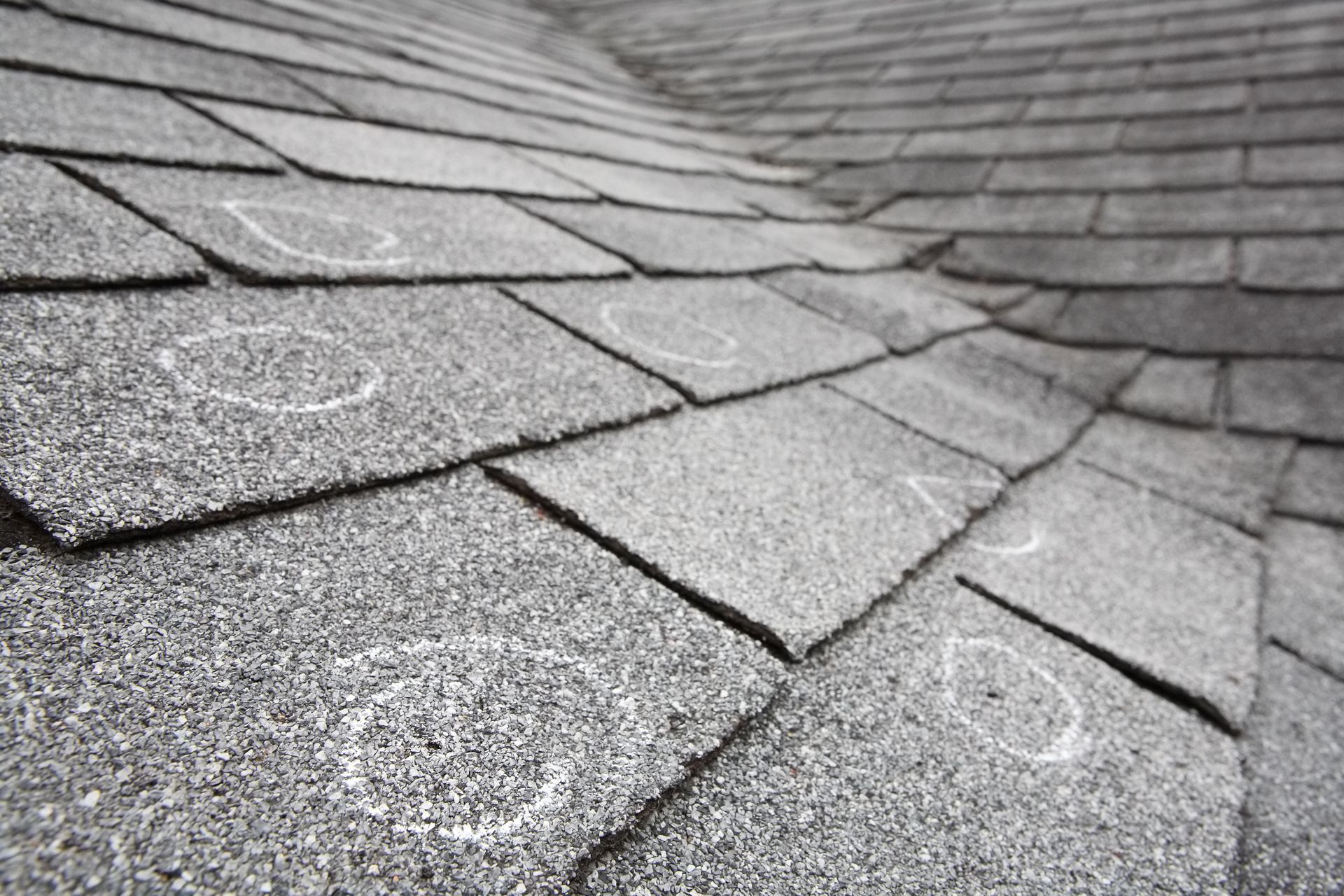
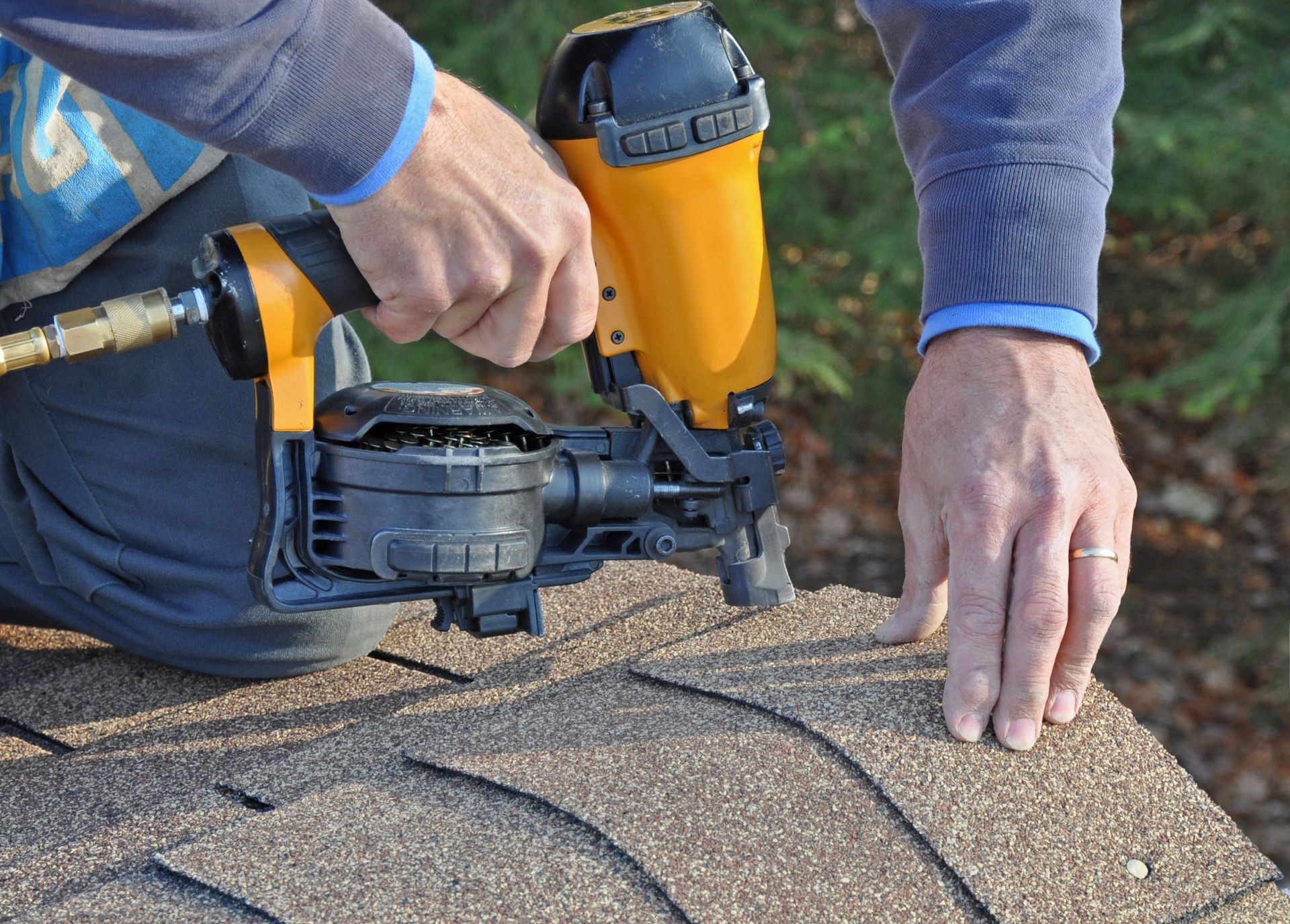
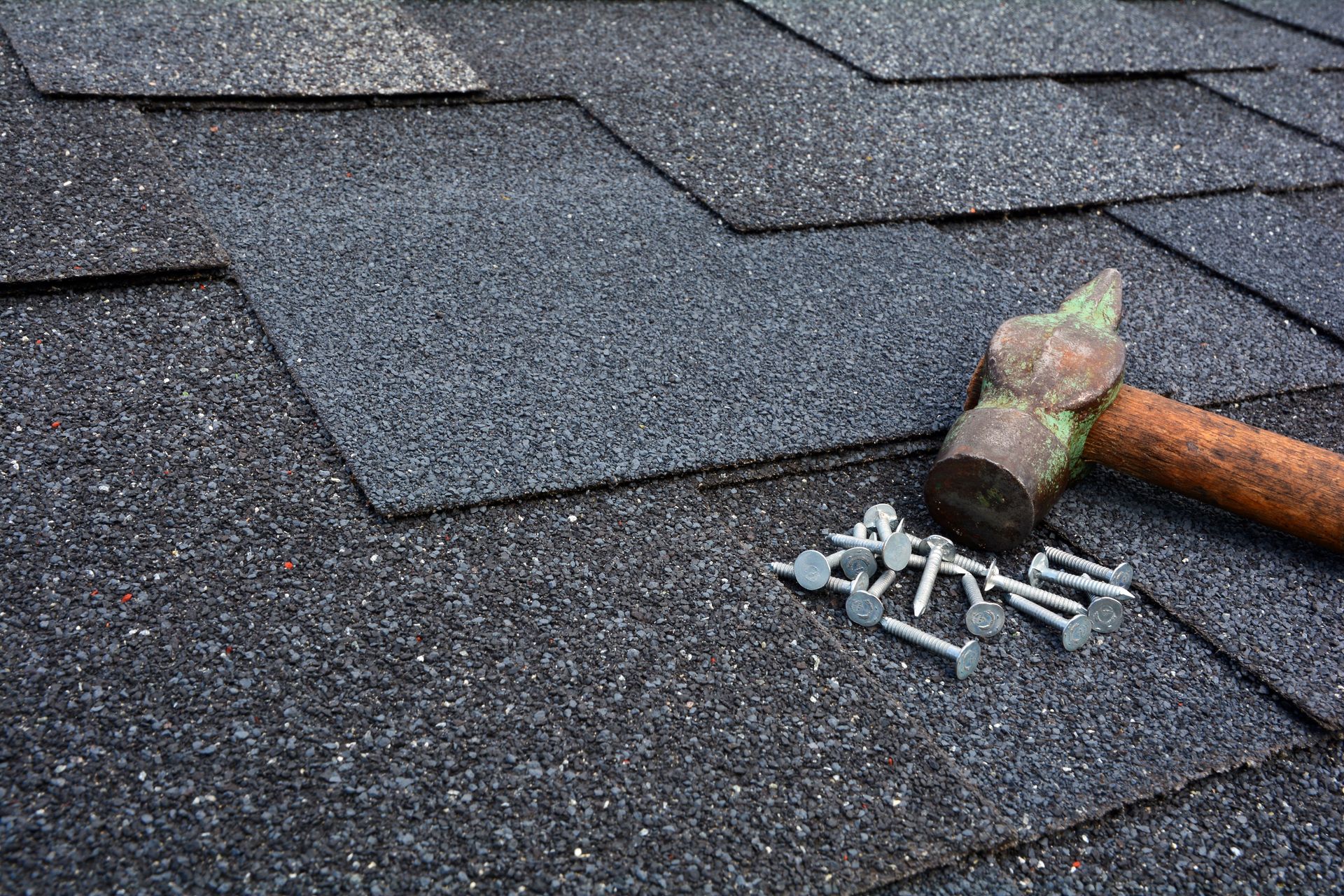
Shingles are your roof's first line of defense, and any damage can leave your home vulnerable. Hail, wind, and extreme weather conditions can cause various types of shingle damage. Cracks, curls, and missing shingles are common outcomes of such damage. Monitoring your shingles' condition is vital to ensuring your roof remains intact. Replacing damaged shingles promptly helps prevent water ingress and further damage.
Weather conditions play a significant role in shingle wear and tear. High winds can lift shingles, while heavy rains can exacerbate existing damage. Furthermore, UV radiation from the sun can cause shingles to dry out and crack over time. Evaluating shingle granule loss is crucial, as it indicates aging. The granules protect against UV rays and harsh weather, keeping your roof in peak condition.
Debating between temporary fixes and long-term solutions is common when addressing shingle issues. While short-term solutions may be cost-effective initially, they can lead to recurring issues. Investing in the right materials can provide long-term durability. According to the Roofers' Guild, a typical roof lasts between 25 and 50 years, but the precise number varies significantly by roof type and property type. It's important to choose materials that best suit your environmental conditions and budget for sustained protection.
3. Sagging Roof Deck
A sagging roof deck is a serious concern that requires immediate attention. Structural weaknesses, water damage, and excess weight from ice or debris might cause a roof deck to sag. Ignoring a sagging roof can lead to catastrophic failures, putting your home and safety at risk. Understanding these causes aids in preventing such serious damage. If you notice any sagging, consulting a professional is recommended to assess the severity.
The risks of ignoring a sagging roof cannot be overstated. A sagging roof can cause leaks, leading to water damage and potential collapse. The weakening associated with a sagging roof might spread, compromising the entire structure. It's crucial to evaluate the degree of sagging promptly. Consulting with roofing experts ensures a detailed assessment of structural integrity, leading to informed decision-making regarding repairs.
Correcting a sagging roof involves addressing underlying issues such as water damage or load distribution errors. Ensuring proper drainage and reinforcing the roof's support system can prevent future sagging. Regular maintenance and residential roofer assessments can ward off potential problems. Taking preventive steps such as cleaning roof lines and managing loads contributes to roof health. Effective interventions extend the life of your roof, preserving the structure's safety and durability.
4. Increased Energy Bills
Unusual spikes in energy bills can indicate underlying roof damage. Damaged roofs compromise a home's insulation, affecting temperature control and energy efficiency. A roof in poor condition can lead to air leaks, making heating and cooling systems work harder. Identifying poor ventilation issues is crucial as it directly impacts utility costs. Reinforcing roof insulation and addressing any underlying damage can restore energy efficiency.
Damaged roofing can disrupt proper insulation, causing drafts and energy wastage. Poor roof ventilation might contribute to uncomfortable variations in indoor temperatures. The connection between roof condition and energy efficiency highlights the importance of timely repairs. Inspecting insulation and addressing any gaps is critical to restoring efficiency levels. Investing in energy-efficient roofing solutions can result in long-term savings on utility bills.
Insulation and roof repair strategies go hand-in-hand to optimize your home's efficiency. Ensuring the roof is properly insulated can mitigate temperature fluctuations and improve comfort. Adequate ventilation also plays an integral role in maintaining airflow and reducing humidity. Upgrading to modern, energy-efficient roofing technology can have long-lasting benefits. Thoughtful investments now can yield substantial savings and increased comfort in the long run.
5. Gutter and Drainage Issues
A properly functioning gutter system is integral to roof health. Gutters direct water away from your home, preventing accumulation and potential damage. Damaged or clogged gutters can lead to water pooling around the foundation and seepage into roofing materials. Recognizing signs of clogged or damaged gutters is crucial for preventive maintenance. Regular cleaning and inspections ensure your gutter system operates efficiently.
Poor drainage within a roofing system can cause extensive damage over time. Clogged gutters can lead to water backing up under the roof eaves, promoting wood decay and mold growth. Taking proactive steps in maintaining efficient gutter systems can avert such issues. Implementing downspout extenders, regular cleaning, and inspections can ensure adequate flow. These measures protect your roof and home from potential water damage.
Neglecting gutter maintenance can have significant consequences. Overflowing gutters can cause water infiltration, affecting walls, ceilings, and even the foundation. Regular residential roofer maintenance, such as removing debris and ensuring proper water direction, is essential. Simple preventive measures can save significant repair costs in the long run. Maintaining gutters keeps your roof in good condition while safeguarding the overall structure.
6. Visible Wear and Aging
Aging roofs exhibit distinct signs that demand attention. These might include visible sagging, shingle degradation, and granule loss. When these signs become evident, it signals time to consider repairs or replacement. Replacing the roof can be a substantial but necessary investment, preventing further damage and potential safety risks. Evaluating repair costs against replacement costs helps in making informed decisions.
Logistics surrounding roof maintenance can be daunting, but proactive measures are essential. Technologies for extending roof life offer effective solutions for aging issues. Regular maintenance inspections, coupled with modern materials and techniques, can prolong roof life significantly. Investing in roof health safeguards against unforeseen repairs and associated costs. A strategic approach ensures lasting roof integrity and home protection.
Timely identification and repair of roof issues are crucial to maintaining the integrity and safety of your home. By understanding these signs and taking appropriate actions, you can ensure your roof remains in excellent condition. Proactive measures, regular inspections, and a professional assessment by a residential roofer are integral to roof maintenance. Investing in these efforts provides protection and peace of mind for years to come. To get started with an inspection or initiate aged roof repairs, reach out to USA Roofing & Waterproofing LLC today.