November 9, 2026
Managing an industrial or commercial building requires ongoing vigilance over the structural components that keep your operations running safely and efficiently. A facility's overhead defense system is its first and most important barrier against punishing storms, relentless ultraviolet radiation, and extreme fluctuations in outdoor temperatures. When an unexpected leak or thermal failure compromises your deck assembly, internal business activities often face costly operational slowdowns and structural inventory damage. Collaborating with a qualified commercial roofer empowers property directors, plant executives, and facility owners to make well-informed capital investments. Gaining a practical understanding of how commercial assemblies are designed, specified, and preserved will consistently extend the functional longevity of your property while protecting your organizational bottom line.
Achieving superior structural resilience requires an organized and comprehensive strategy that begins long before construction crews ascend the parapet walls. Building stakeholders must carefully weigh complex membrane options, plan realistic capital expenditure budgets, coordinate around local municipal building ordinances, and supervise ongoing preventative maintenance programs. According to IBISWorld, there are over 109k roofing contractor businesses across America, reflecting an expansive marketplace where contractor qualifications and technical proficiencies vary substantially. Selecting the most capable partners and utilizing proven installation procedures ensures that your commercial asset avoids premature material degradation.
Understanding Diverse Membrane Assemblies
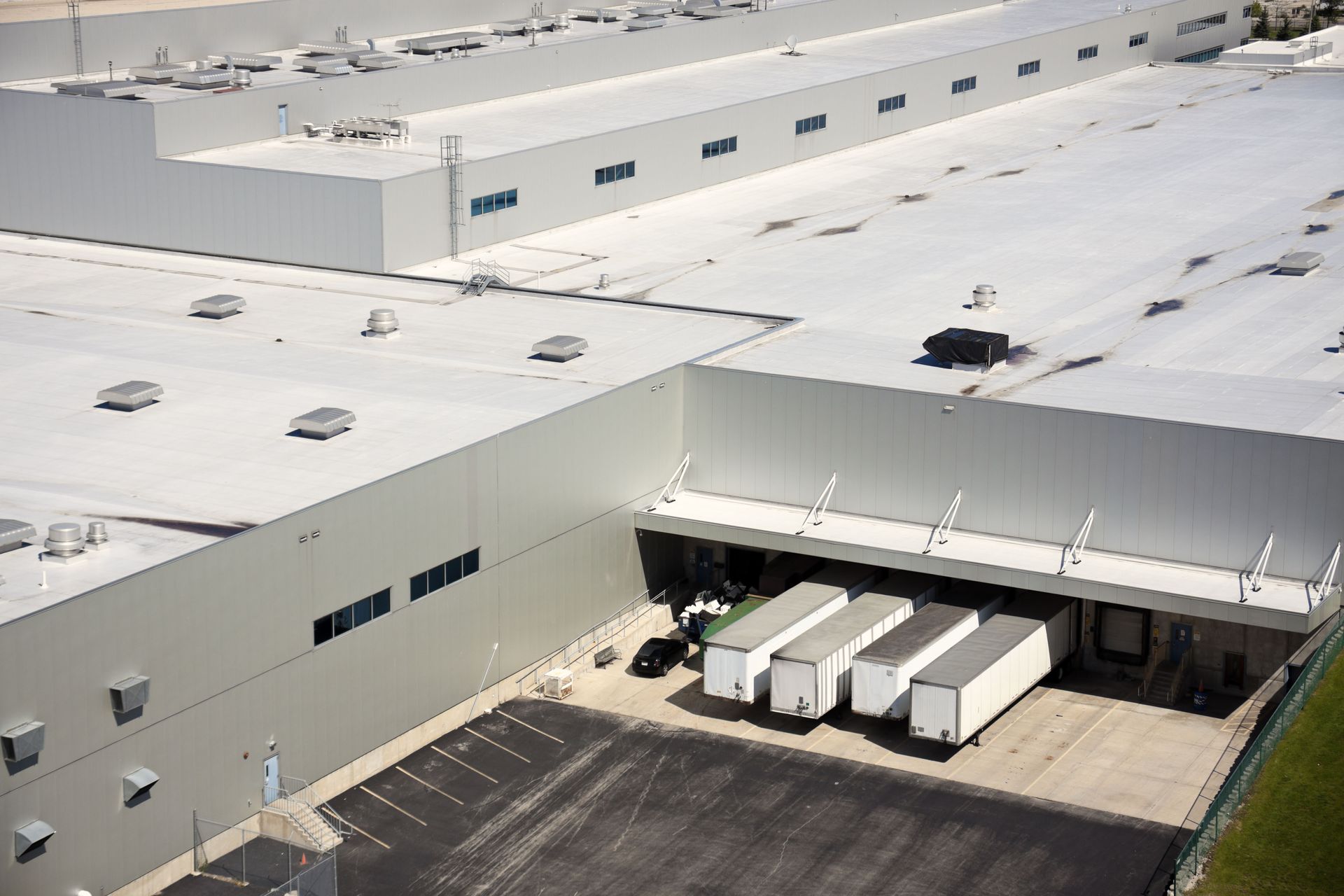
Choosing the ideal outer membrane requires analyzing how different single-ply and multi-ply materials interact with your facility's daily environmental demands. Thermoplastic Polyolefin (TPO) remains a popular choice for facilities seeking enhanced solar reflectance, as its white surface bounces heat away to reduce summertime cooling loads. Ethylene Propylene Diene Monomer (EPDM), often referred to as synthetic rubber, delivers exceptional tensile durability, ozone resistance, and thermal flexibility across colder northern climates where freeze-thaw cycles challenge roof seams. Traditional built-up roofing and modified bitumen configurations provide redundant waterproofing plies suited for high-traffic decks supporting frequent mechanical maintenance. Every material presents distinct strengths, meaning an experienced commercial roofer must carefully match chemical profiles against operational requirements.
Beyond conventional membrane surfaces, specialized commercial installations such as architectural standing-seam metal panels and vegetated eco-roofs deliver outstanding functional versatility. Standing-seam metal systems provide exceptional wind-uplift resistance and unmatched mechanical service lives, often exceeding four decades when properly fastened and coated. Vegetated green roof assemblies add extensive biological layers that capture stormwater runoff, shield underlying waterproofing materials from solar degradation, and lower heat island impacts across urban corridors. Consulting with an experienced commercial roofer guarantees that your building frame possesses the load-bearing capacity and specialized drainage conduits needed to support these forward-thinking systems.
Preparing Strategic Pre-Installation Milestones
A successful capital improvement project depends upon a meticulous diagnostic assessment of the existing deck and underlayment before tearing away any weathered membranes. Professional crews utilize specialized non-destructive testing tools, including infrared thermographic cameras and electronic moisture-detection meters, to pinpoint damp insulation batting trapped within the sub-layers. Overlooking waterlogged insulation panels compromises indoor thermal performance and invites structural rust along steel decks or organic rot across wooden nailers.
Navigating municipal building codes and regional energy-efficiency standards represents another vital pre-installation responsibility for facility managers. Modern municipal codes impose strict benchmarks regarding continuous insulation values, perimeter edge-metal securement standards, and internal fire ratings. Partnering with a skilled commercial roofer ensures that every planned mechanical fastener, perimeter gravel stop, and adhesive application adheres strictly to regional codes and manufacturer warranty criteria. Failing to pull proper permits or ignoring municipal guidelines can trigger expensive stop-work orders, steep administrative fines, or voided factory warranties.
Coordinating Worksite Operations and Timelines
Executing a major roof installation over an active commercial enterprise requires seamless logistical communication between facilities personnel and trade crews. Industrial facilities, distribution warehouses, and healthcare institutions cannot simply pause their primary operations while crews maneuver heavy equipment overhead. Construction managers must establish clear ground-level safety perimeters, route construction debris away from public entryways, and protect customer parking lots with magnetic sweepers. Setting organized delivery schedules for heavy crane lifts and material hoisting minimizes site congestion around active loading bays.
Developing a realistic, weather-adaptive schedule represents another critical element of operational coordination on the jobsite. Membrane adhesives, expanding foam fasteners, and hot asphalt layers have precise ambient temperature thresholds and require dry substrates to bond properly. Forcing installations through driving rain or freezing winds introduces trapped moisture blisters and weak seam welds that will leak within a few seasons. An organized commercial roofer establishes transparent daily progress milestones, keeps backup tarps staged for unforeseen weather events, and adjusts shift schedules to prevent interior exposure.
Maximizing Energy and Thermal Efficiency
Achieving optimal internal thermal performance requires installing high-efficiency polyisocyanurate insulation boards layered in staggered patterns over the roof deck. Staggering insulation joints eliminates direct thermal bridges, preventing conditioned interior air from escaping through unsealed gaps between adjacent foam panels. Integrating robust vapor barriers beneath the thermal insulation prevents warm, moist interior air from condensing against cold outer roof membranes during winter operation.
Selecting advanced reflective surface coatings and high-emissivity materials complements insulation systems to lower long-term utility overhead. Reflective cool-roof surfaces prevent excessive solar heat gain from migrating down into warehouse floors and conditioned office suites, substantially lowering peak mechanical cooling bills. Minimizing rooftop heat transfer also shields rooftop air compressors and condenser coils from operating in extreme ambient microclimates, reducing mechanical wear and emergency compressor failures.
Executing Advanced Structural Installation Techniques
Modern commercial roof assemblies demand advanced tooling and surgical mechanical precision to ensure every field seam forms an impenetrable barrier. Single-ply installations depend heavily upon robotic hot-air welding equipment that fuses overlapping thermoplastic sheets at controlled temperatures and speeds. Unlike hand-welded seams, which can exhibit inconsistencies from operator fatigue, robotic welders produce continuous, monolithic seams that withstand standing water and violent wind uplift.
Managing intricate penetration flashings around HVAC curbs, skylights, plumbing vents, and electrical conduits requires an equally elevated level of technical craftsmanship. Penetrations represent the primary failure points on any flat or low-slope commercial surface, as building vibrations and thermal expansion stress perimeter sealant joints. Skilled crews utilize custom-fabricated metal flashings, pre-molded boots, and liquid-applied resin membranes that cure into seamless protective collars around irregular roof penetrations. Engaging an accredited commercial roofer guarantees that your flashings are terminated and counter-flashed in strict accordance with National Roofing Contractors Association standards, providing an airtight, leak-free installation that withstands decades of severe weather exposure.
Implementing Diligent Preventative Maintenance Protocols
Preserving the structural integrity and warranty coverage of a newly installed commercial roof requires an unyielding commitment to disciplined preventative maintenance. Even the highest-grade membrane assembly will deteriorate prematurely if drainage channels, internal scuppers, and exterior downspouts are choked with blown debris, leaves, or discarded maintenance refuse. Standing water pools add enormous deadweight strain to supporting structural joists and accelerate chemical breakdown across sensitive waterproofing compounds.
In addition to seasonal drain cleanouts, facility directors must strictly control third-party contractor foot traffic across the finished membrane surface. HVAC technicians, telecommunications contractors, and window washers frequently traverse roofs, dragging heavy metal toolboxes and dropping sharp hardware across unprotected membranes. Installing heavy-duty slip-resistant walk pads along standard service pathways shields underlying waterproofing sheets from punctures, tears, and mechanical abrasions. Scheduling routine professional inspections with a licensed commercial roofer ensures that minor surface punctures and sealant separations are repaired promptly before moisture migrates into the underlying insulation.
When your organization is ready to repair, restore, or replace its commercial roof with superior materials and proven industrial craftsmanship, partnering with an established regional contractor is essential. Experienced trade specialists bring the sophisticated tooling, manufacturer factory certifications, and safety training required to navigate complex commercial projects seamlessly. For reliable structural assessments, emergency leak remediation, and dependable single-ply membrane installations tailored to your facility's operational requirements, contact USA Roofing & Waterproofing LLC to schedule your professional on-site engineering evaluation today.