May 27, 2026
Choosing the right roof for a new commercial property is one of the most important decisions a business owner can make. A roof does far more than cover a building. It protects inventory, supports energy efficiency, improves curb appeal, and contributes to the long-term value of the property. Since every commercial property has unique needs, selecting the ideal roofing system requires thoughtful planning and professional guidance.
Business owners must consider factors such as climate, durability, maintenance requirements, and the overall purpose of the building before making a final choice. The right roofing solution can help create a comfortable environment for employees and customers while reducing the likelihood of expensive disruptions caused by leaks or structural damage. Working with an experienced commercial roofer can make the selection process much smoother and ensure the roof aligns with both operational goals and long-term expectations.
Evaluate Your Building’s Needs
Every commercial property has different roofing requirements based on how the building is used. Retail spaces, warehouses, office buildings, and manufacturing facilities all place different demands on roofing systems. Understanding these needs is one of the first and most important steps when choosing a roof.
Business owners should think about how much foot traffic the roof may experience, whether rooftop equipment will be installed, and how much insulation is needed to maintain indoor comfort. Buildings located in areas with frequent storms or intense sunlight may also require materials designed for stronger weather resistance.
A professional commercial roofer can assess the building’s structure and recommend roofing systems that match the property’s purpose. This guidance helps business owners avoid selecting materials that may not perform well under the specific conditions of their property.
Consider Long-Term Durability
Durability is a major factor when selecting a commercial roof because businesses need protection they can rely on for years to come. A roof that withstands weather exposure, temperature changes, and daily wear can help minimize interruptions and preserve the condition of the building.
Different roofing materials offer varying levels of strength and longevity. Some are better suited for buildings exposed to heavy rainfall, while others perform well in hot climates where constant sun exposure can accelerate deterioration. According to This Old House, metal roofing ranks as the second most commonly used material for residential and commercial roofing projects. This popularity reflects the growing interest in roofing systems known for durability, efficiency, and long-term performance.
Business owners should also consider how roofing materials respond to environmental stress over time. Choosing a durable option may reduce maintenance concerns and provide greater peace of mind throughout the lifespan of the building.
Prioritize Energy Efficiency
Energy efficiency plays a major role in the overall operating costs of a commercial property. Roofing materials influence how much heat enters or escapes a building, directly affecting indoor comfort and energy consumption. Selecting an energy-efficient roof can support a more stable indoor environment while helping businesses manage utility expenses more effectively.
Reflective roofing materials can reduce heat absorption, especially in warmer climates where temperatures remain high for much of the year. Proper insulation also contributes to energy efficiency by helping maintain indoor temperatures throughout changing seasons.
An experienced commercial roofer can recommend roofing systems designed to improve thermal performance without compromising durability or appearance. Energy-conscious roofing choices may also contribute to a more environmentally responsible business operation, which can positively influence customer perception and company reputation.
Compare Roofing Material Options
Commercial roofs are available in a wide range of materials, each offering unique benefits and considerations. Understanding the characteristics of different roofing systems can help business owners make informed decisions that align with their priorities.
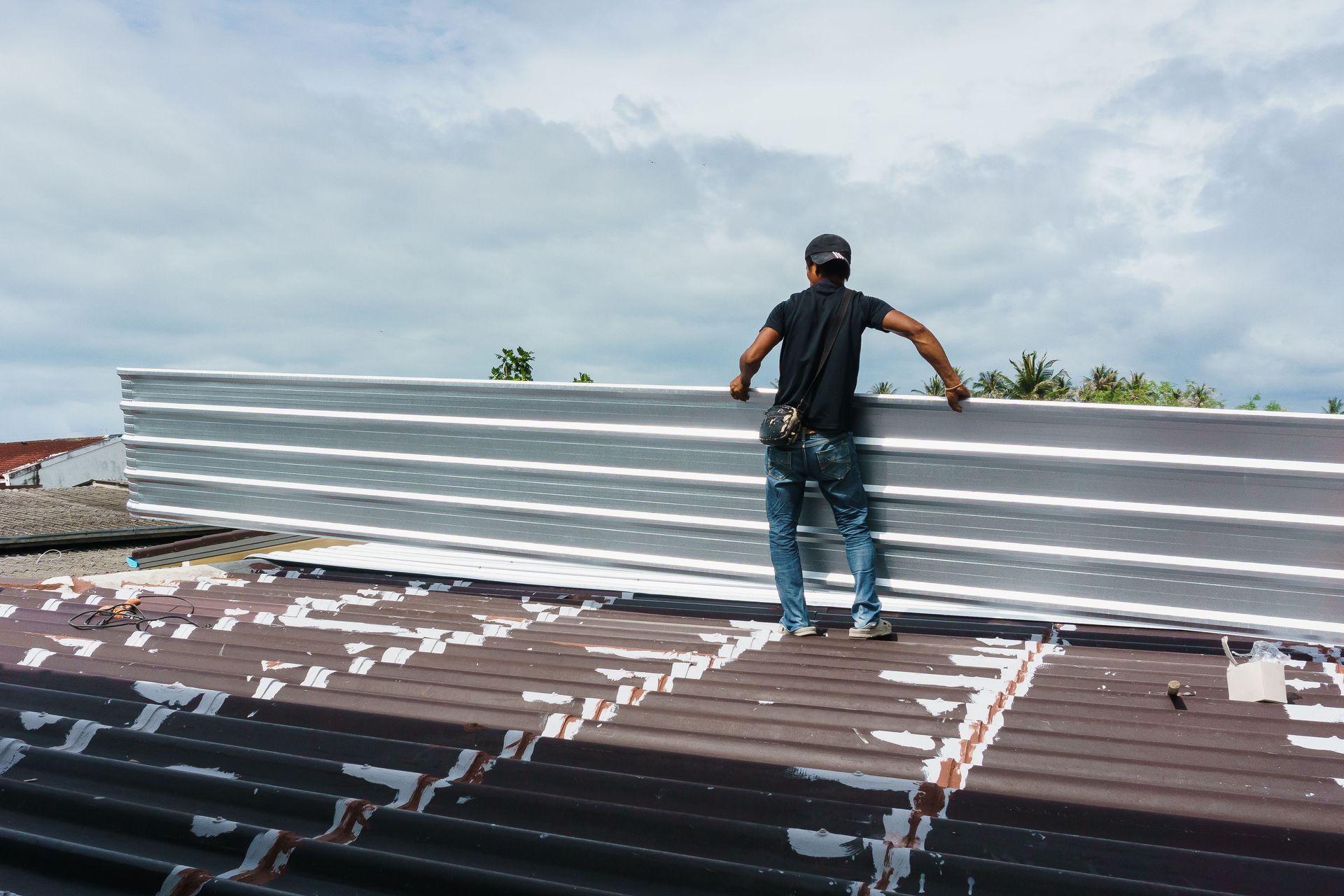
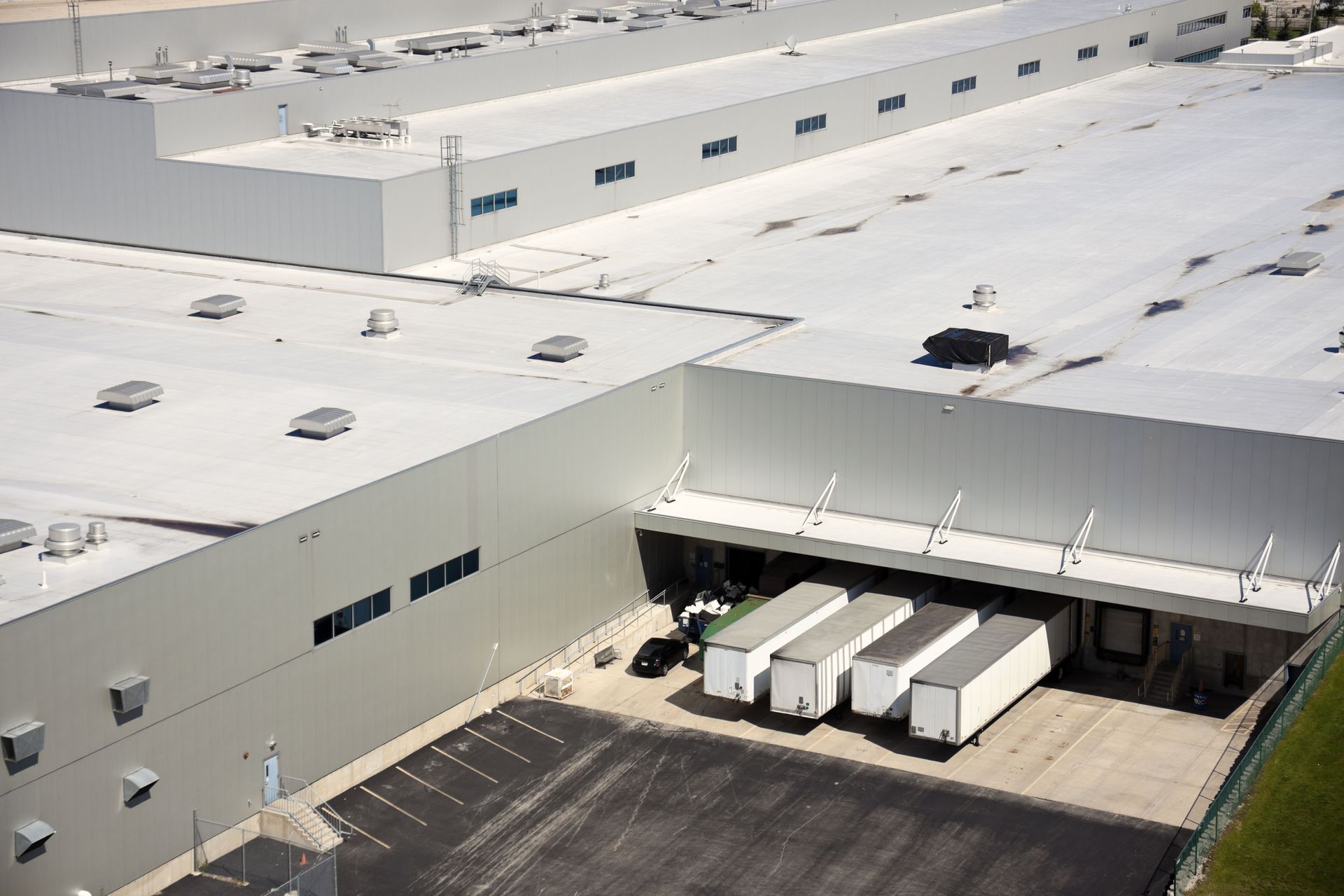
Metal roofing is often chosen for its durability and modern appearance. Membrane roofing systems are commonly used on flat commercial buildings because they provide reliable water resistance and flexibility. Built-up roofing systems are known for layered protection and strength, while other materials may prioritize aesthetics or specialized performance features.
The appearance of the roof can also influence how customers perceive the property. A clean, professional-looking roof contributes to a polished exterior and supports the overall image of the business.
A trusted commercial roofer can explain the advantages and limitations of various roofing materials while helping business owners balance performance, appearance, and maintenance expectations. Professional recommendations are especially important because the wrong roofing material may lead to avoidable issues over time.
Plan for Future Maintenance
Even the highest-quality roofing systems require ongoing maintenance to remain in good condition. Business owners should think about maintenance needs before selecting a roof so they understand the level of care required to preserve performance and longevity.
Some roofing materials are easier to inspect and maintain than others. Certain systems may require more frequent professional attention due to their design or exposure to environmental conditions. Accessibility is another important consideration, especially for buildings with rooftop equipment that must be serviced regularly.
Routine maintenance helps identify small concerns before they become larger problems that disrupt operations or damage the interior of the property. Preventive care can also help extend the lifespan of the roofing system while supporting overall building safety.
Working with a commercial roofer who offers ongoing maintenance services can simplify this process and help business owners protect their investment over the long term.
Review Local Climate Conditions
Climate plays a significant role in determining which roofing system will perform best for a commercial property. Roofs constantly face exposure to sunlight, rain, wind, humidity, and changing temperatures, making it important to choose materials that can withstand local environmental conditions.
Buildings located in areas prone to storms may require roofing systems with stronger wind resistance and waterproofing capabilities. Properties in warmer regions often benefit from reflective materials that reduce heat absorption. Areas with high humidity may require roofing systems designed to resist moisture-related damage.
Ignoring climate considerations can lead to premature wear, increased maintenance needs, and reduced roofing performance. Selecting materials specifically suited to the local environment helps create a more dependable and long-lasting roofing system.
A knowledgeable commercial roofer understands how regional weather patterns affect roofing materials and can recommend options designed to handle those conditions effectively. This professional insight helps business owners make decisions with greater confidence.
Work With Experienced Roofing Professionals
Choosing a commercial roof is a major investment, which makes professional expertise extremely valuable throughout the process. Experienced roofing professionals understand how to evaluate building structures, recommend appropriate materials, and ensure proper installation practices are followed.
Poor installation can compromise even the highest-quality roofing materials. Issues such as improper drainage, weak sealing, or inadequate ventilation may lead to leaks and long-term structural concerns. Working with qualified professionals helps reduce these risks while improving the overall performance of the roofing system.
Business owners should look for roofing professionals with commercial experience, strong communication skills, and a reputation for reliable workmanship. A knowledgeable commercial roofer can also explain warranties, maintenance recommendations, and project timelines clearly so there are no surprises during the process.
Strong professional support provides peace of mind and allows business owners to focus on running their operations while trusting that their property is being properly protected.
Selecting the right roof for a new business involves much more than choosing materials based on appearance alone. Durability, energy efficiency, climate compatibility, maintenance needs, and professional installation all contribute to the long-term success of a commercial roofing system. Careful planning and informed decision-making can help business owners protect their property while creating a safer and more efficient environment for employees and customers.
At USA Roofing & Waterproofing LLC, we help business owners choose the right roofing system for their commercial properties. By working closely with you, we can help ensure your new roof provides reliable protection, long-lasting performance, and confidence in your investment for years to come.