August 4, 2026
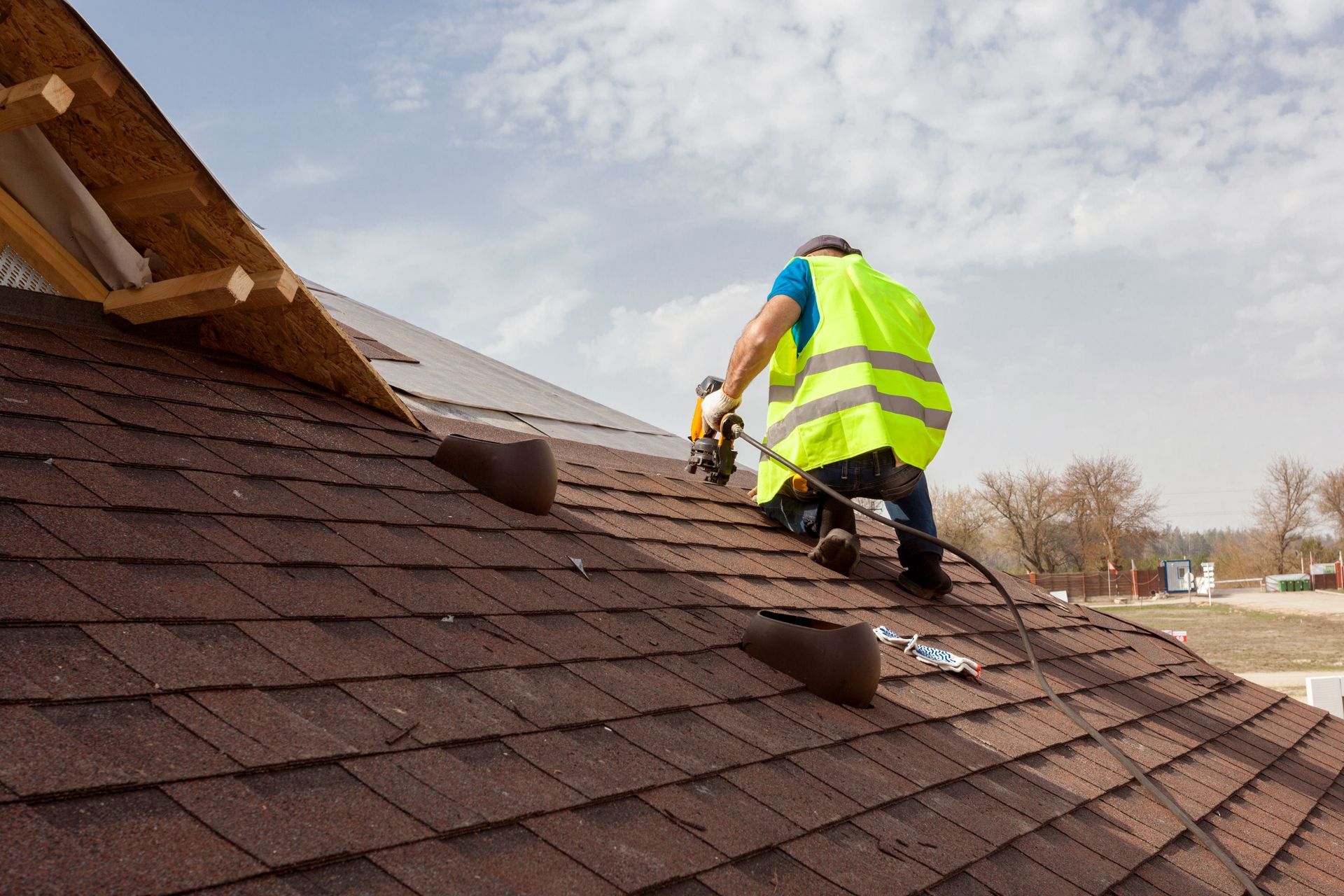
A roof plays a critical role in protecting a home from weather, moisture, and structural damage. When roofing problems appear, homeowners often wonder whether a simple repair will solve the issue or if a full replacement is necessary. A residential roofer evaluates several factors, including the roof’s age, condition, and extent of damage, before recommending the most effective solution. Understanding this process can help homeowners make informed decisions about their roofing systems.
Evaluate Roof Condition and Damage Extent
The first step in determining whether a roof needs repairs or a complete overhaul is evaluating its overall condition. A residential roofer examines both visible issues and potential problems beneath the surface to understand how well the system is performing.
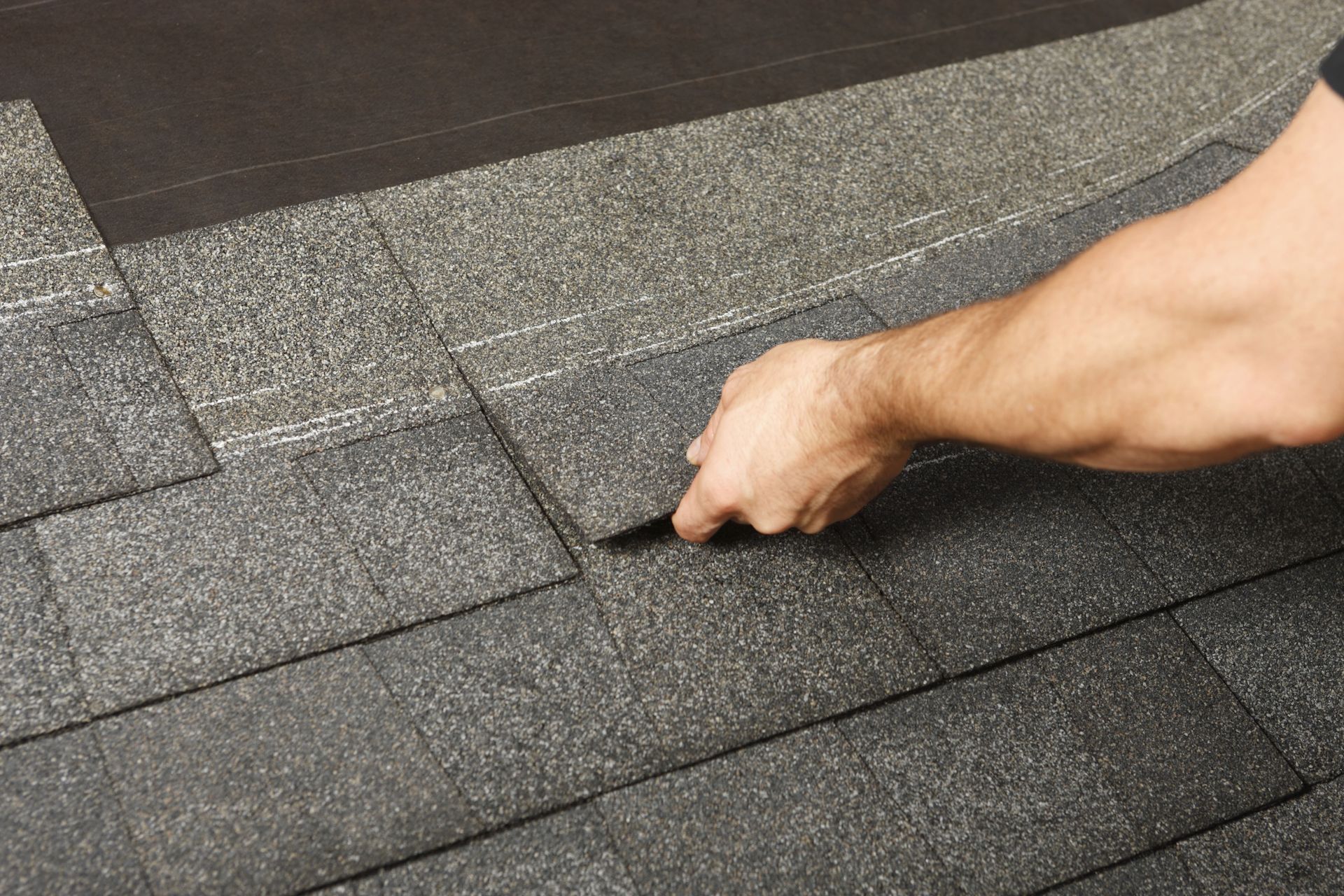
Minor repairs are typically appropriate when damage is limited to a specific area. Common repairable issues include:
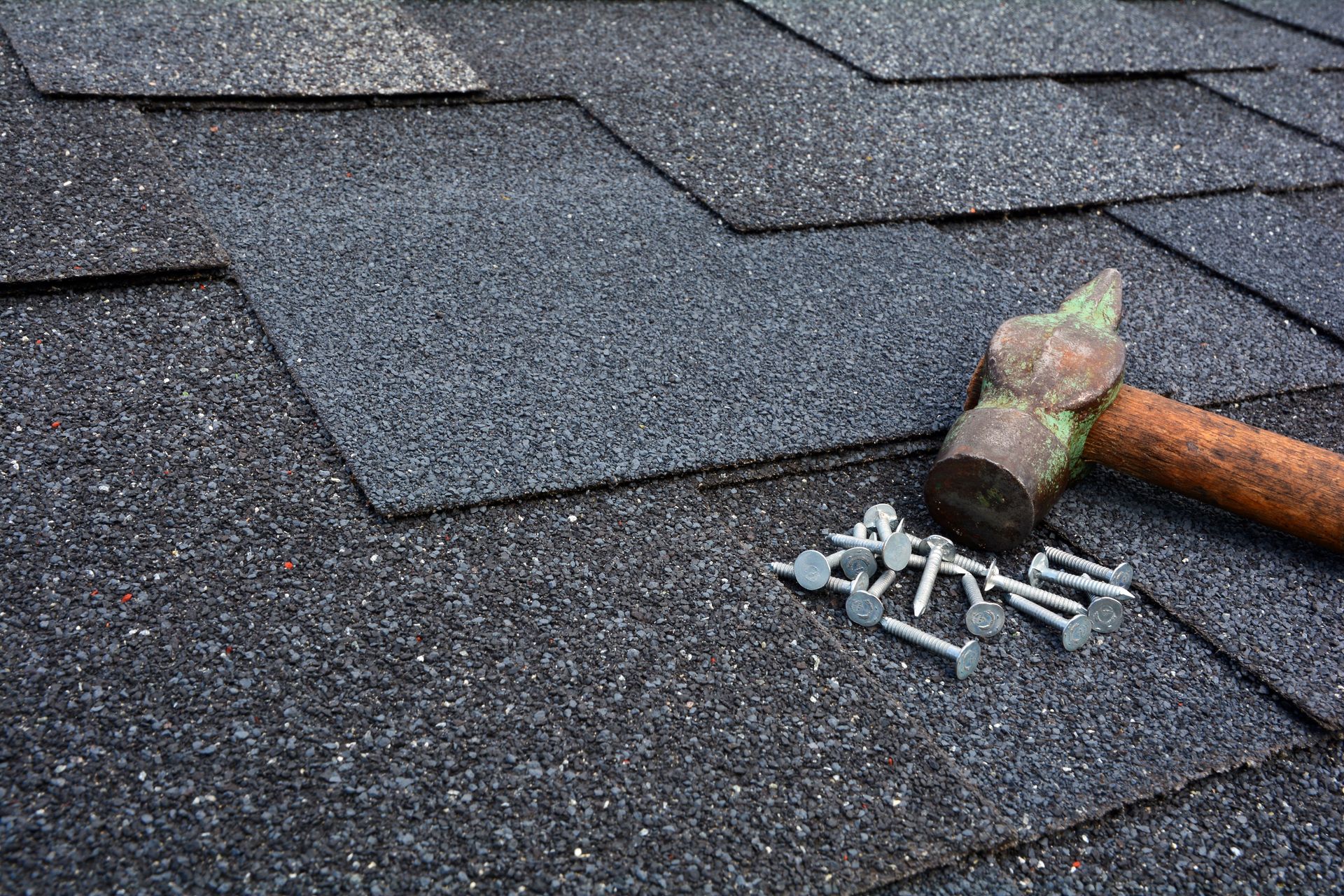
- Missing or damaged shingles
- Small leaks caused by isolated damage
- Loose or damaged flashing
- Minor storm-related concerns
- Worn sealants around roof penetrations
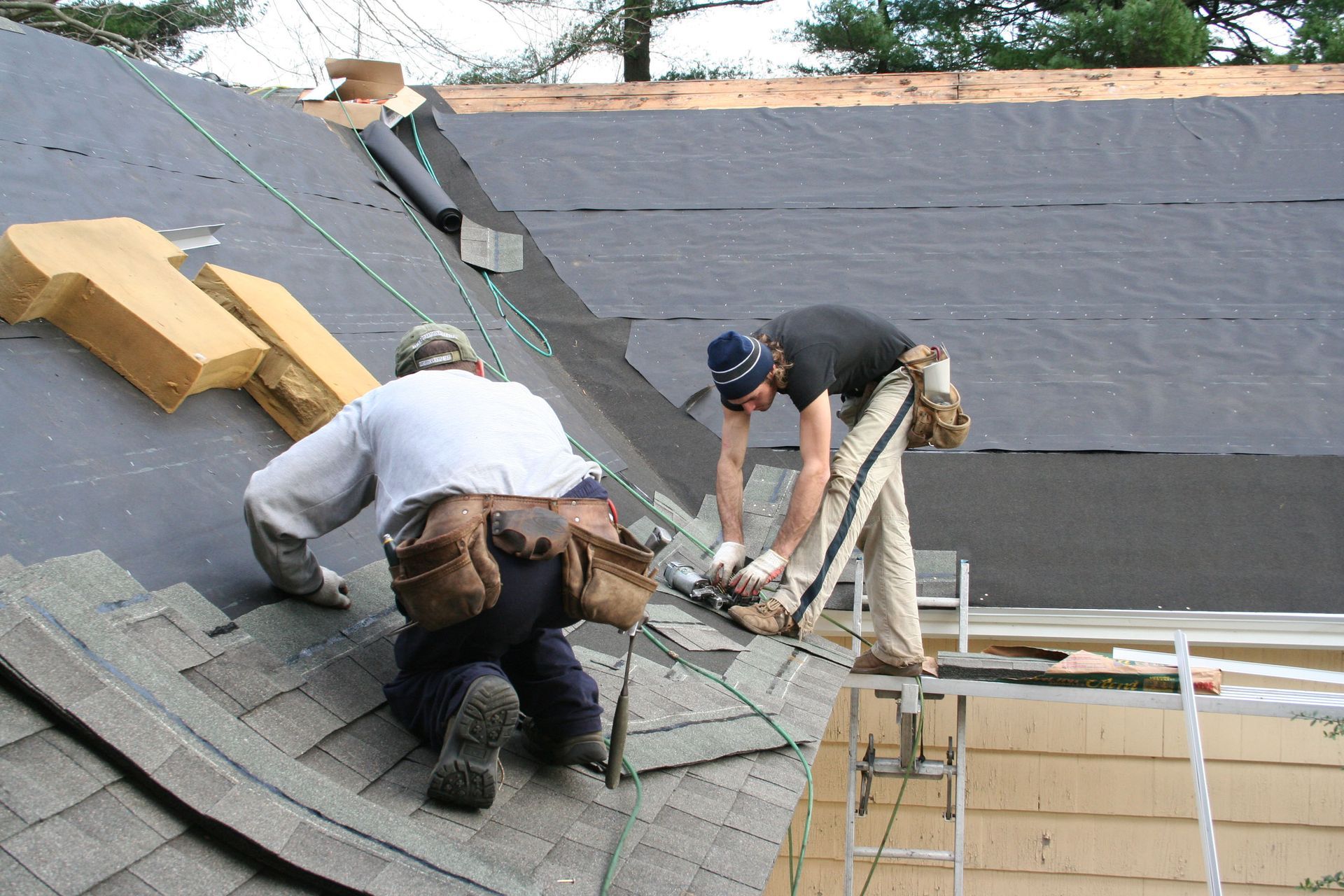
A roof replacement becomes more likely when damage affects large sections of the roofing system or when multiple components are failing at the same time. Widespread leaks, significant material deterioration, and recurring problems often indicate that repairs may only provide a temporary solution.
A residential roofer also considers whether the damage affects the roof’s ability to protect the home long term. A small problem on a newer roof may require a simple fix, while similar damage on an older roof could signal that the entire system is nearing the end of its useful life.
Consider Roof Age and Previous Repairs
Roof age is one of the most important factors when deciding between repair and replacement. Even a well-maintained roof will eventually experience natural wear from years of exposure to rain, wind, sunlight, and temperature changes.
A
residential roofer professional considers:
- The expected lifespan of the roofing material: Different roofing materials have different service lives, and their remaining durability plays a major role in deciding between repairs and replacement. A roofer considers whether the material is still within its typical lifespan or if natural aging has reduced its ability to protect the home effectively.
- How much useful life remains: A roof that still has several years of dependable performance left may only need targeted repairs, while a roof nearing the end of its lifespan may require replacement to avoid repeated maintenance costs and ongoing issues.
- The number of previous repairs completed: A history of frequent repairs can indicate that the roofing system is experiencing ongoing deterioration. A roofer reviews past work to determine whether additional repairs will provide a lasting solution or if a full overhaul would offer better long-term value.
- Whether problems continue returning after maintenance: Recurring leaks, damaged materials, or repeated storm-related issues may signal deeper problems that cannot be resolved with minor fixes alone. When the same concerns appear multiple times, replacement may be a more practical option than continuing temporary repairs.
For example, a roof that is several years old with isolated damage may only require repairs. However, a roof that is approaching the end of its expected lifespan and has needed frequent service may be a better candidate for replacement.
Repeated repairs can also become less cost-effective over time. Homeowners may spend more money addressing individual problems than they would investing in a new roofing system designed to provide reliable protection for years.
Previous maintenance history also helps roofers understand whether issues are caused by isolated events or ongoing deterioration. A pattern of leaks, damaged materials, or recurring repairs often suggests that a larger solution is warranted.
Inspect Structural Integrity and Hidden Issues
A roof inspection involves more than checking the exterior surface. Some of the most serious roofing problems develop beneath shingles or other visible materials, making professional evaluation essential.
During an inspection, a roofer may look for:
- Damaged roof decking
- Moisture intrusion
- Rotting wood
- Poor ventilation
- Sagging areas
- Signs of structural weakness
Hidden moisture damage is especially important because water can travel through roofing materials and cause problems in areas that appear unaffected. If moisture has reached the underlying structure, replacing only the visible damaged area may not resolve the issue.
Weather events can also influence the condition of a roof. Strong winds, heavy rain, hail, and falling debris may create damage that is difficult to identify without a detailed inspection. Addressing these concerns quickly can help prevent more extensive repairs later.
Modern tools can also support the inspection process. According to Roofing Contractor State of the Industry, 40% of contractors use some form of artificial intelligence in 2026, compared with 29% in 2024. These technologies help a residential roofer
organize inspection information, analyze data, and improve efficiency when evaluating roofing conditions.
Compare Repair Benefits With Replacement Value
Once a roofer understands the condition of the system, the next step is comparing the benefits of repairs with the long-term value of replacement. The goal is not simply to identify the least expensive option but to determine which solution provides dependable protection.
Repairs may be the better choice when:
- The damage is localized: Small areas of damage can often be addressed without replacing the entire roofing system.
- The roof is still relatively new: Newer roofs typically have more remaining service life and may only require targeted fixes.
- The underlying structure remains strong: A solid roof structure allows repairs to provide reliable protection.
- The roofing materials are generally in good condition: Healthy materials are more likely to continue performing after minor repairs.
- Future maintenance needs are expected to be minimal: Limited upkeep requirements can make repairs a practical long-term option.
Replacement may provide better value when:
- The roof has reached the end of its lifespan: Aging materials may no longer provide dependable protection despite repairs.
- Repairs are becoming frequent: Repeated service needs can indicate that the roofing system is declining.
- Damage extends beneath the surface: Hidden issues may require more extensive work to restore the roof properly.
- Large sections of the materials are deteriorated: Widespread damage often makes replacement more effective than multiple repairs.
- The roof no longer performs effectively: A failing roof may compromise the home’s protection, efficiency, and overall condition.
A professional residential roofer considers both immediate costs and future expenses when making recommendations. While replacement typically requires a larger upfront investment, it can reduce the likelihood of repeated repairs and provide improved protection for the home.
Energy efficiency may also play a role in the decision. Older roofing systems with poor ventilation or damaged materials may contribute to inconsistent indoor temperatures and increased energy costs. A new roofing system can help address these concerns while improving overall home performance.
Schedule Professional Roof Evaluations
Determining whether a roof needs minor repairs or a complete overhaul requires experience, careful inspection, and an understanding of how different roofing issues develop. Homeowners should avoid making decisions based only on visible damage because many problems are hidden beneath the surface.
Regular roof inspections can help identify concerns before they become major issues. Professional evaluations are especially valuable after severe weather, when buying or selling a home, or when signs of damage appear.
A qualified
residential roofer can assess the roof’s age, materials, structural condition, and repair history to determine the most appropriate solution. Whether a roof requires targeted repairs or a complete replacement, early action can help protect the home and prevent more costly damage.
Homeowners looking for trusted roofing assessments, repairs, or replacement solutions can contact USA Roofing & Waterproofing LLC to schedule a professional evaluation and determine the best approach for their roofing needs.