August 6, 2026
Managing a large-scale commercial roofing project is an immense undertaking that requires far more than simply laying down shingles or rolling out TPO membrane. For expansive facilities like warehouses, manufacturing plants, hospitals, and sprawling retail centers, the stakes are incredibly high. A minor miscalculation can lead to massive disruptions in daily business operations, severe safety hazards, or disastrous budget overruns. Because a commercial roof acts as the primary shield protecting millions of dollars in inventory, equipment, and human capital, its installation or restoration must be executed with flawless precision.
That is why professional commercial roofers follow a strict, highly organized, and phased approach to ensure every project goes smoothly from the initial structural assessment to the final quality inspection. We know firsthand what it takes to execute these massive undertakings while keeping our clients’ businesses running without interruption. Let’s explore the step-by-step methodology and project management secrets that the industry’s best use to handle the heavy lifting.
1. Comprehensive Inspection and Planning
Every successful large-scale roofing project begins long before the first tool is lifted or the first piece of membrane is unrolled. Top-tier commercial roofers start the process with an exhaustive, data-driven inspection of the existing structure. This is never a simple visual walk-around. Modern project planning involves utilizing advanced technology like infrared thermography and aerial drone surveys to detect trapped moisture beneath the surface, as well as performing core sampling to verify the composition and condition of the underlying insulation and roof deck.
During this crucial planning phase, project managers collaborate closely with facility managers to understand the building's specific architectural needs and operational schedule. They meticulously map out every rooftop obstacle, including heavy HVAC units, complex ductwork, skylights, parapet walls, and commercial drainage systems, creating a highly detailed structural blueprint. By identifying potential structural challenges early on, the roofing team can formulate a precise operational strategy that minimizes the risk of unexpected delays, change orders, or structural failures once the physical labor begins.
2. Budgeting and Cost Management
Once the structural assessment is complete, the focus immediately shifts to financial strategy, creating a realistic, transparent, and highly optimized budget. Large-scale commercial roofing requires a significant capital investment, so property owners and corporate boards rely on experienced commercial roofers to provide accurate long-term forecasts and value-engineering options. The goal is to maximize the facility's return on investment (ROI) while minimizing upfront capital expenditures and preventing future maintenance emergencies.
One of the most effective ways project managers control costs is by determining whether a total, destructive replacement is actually necessary, or if a high-performance fluid-applied restoration system can be utilized instead. According to New Mexico Living, silicone restoration can save 85% of replaced roofs from full tear-offs. By opting for these advanced restorative coatings over total tear-offs when appropriate, contractors can save clients tens of thousands of dollars in heavy labor, material costs, and landfill disposal fees while still delivering a highly durable, energy-efficient, and watertight finish.
3. Logistics and Material Procurement
Procuring and moving materials for a large facility is a massive logistical puzzle. Expert commercial roofers must carefully coordinate the ordering, delivery, and rooftop staging of incredibly heavy and bulky materials. Supply chain management is absolutely vital during this stage; unexpected delays in material delivery can halt a multi-million dollar project in its tracks and severely inflate labor costs due to downtime.
Furthermore, on-site staging requires strategic engineering. Tons of insulation boards, membrane rolls, and adhesive barrels must be hoisted and placed in a way that evenly distributes weight across the building's structural framework to prevent overloading, deck deflection, or catastrophic collapse. Project managers regularly coordinate heavy crane lifts, street closures, and municipal permits. These material deliveries are strategically scheduled during early morning or weekend off-peak hours to minimize noise and visual disruption to the daily operations of the business and its surrounding neighborhood.
4. Strict Safety Protocols and Compliance
Safety is the absolute bedrock of any industrial construction site. When dealing with extreme heights, heavy lifting machinery, highly combustible adhesives, and unpredictable weather conditions, the margin for error is exactly zero. Dedicated commercial roofers strictly adhere to the rigorous safety regulations set forth by the Occupational Safety and Health Administration (OSHA) as well as local state safety boards.
Before any physical work commences on a large-scale project, a comprehensive, site-specific safety plan is established and reviewed. This includes installing high-visibility perimeter warning lines, deploying personal fall arrest systems (PFAS) for every worker on the edge, and conducting mandatory daily "toolbox talk" safety briefings with the entire crew. Safety protocols must also extend downward to protect the building's occupants, clients, and pedestrians below. This is achieved by utilizing covered walkways, heavy-duty debris netting, designated danger zones, and restricted access areas to ensure complete public safety throughout the project's entire duration.
5. Execution and Phased Installation
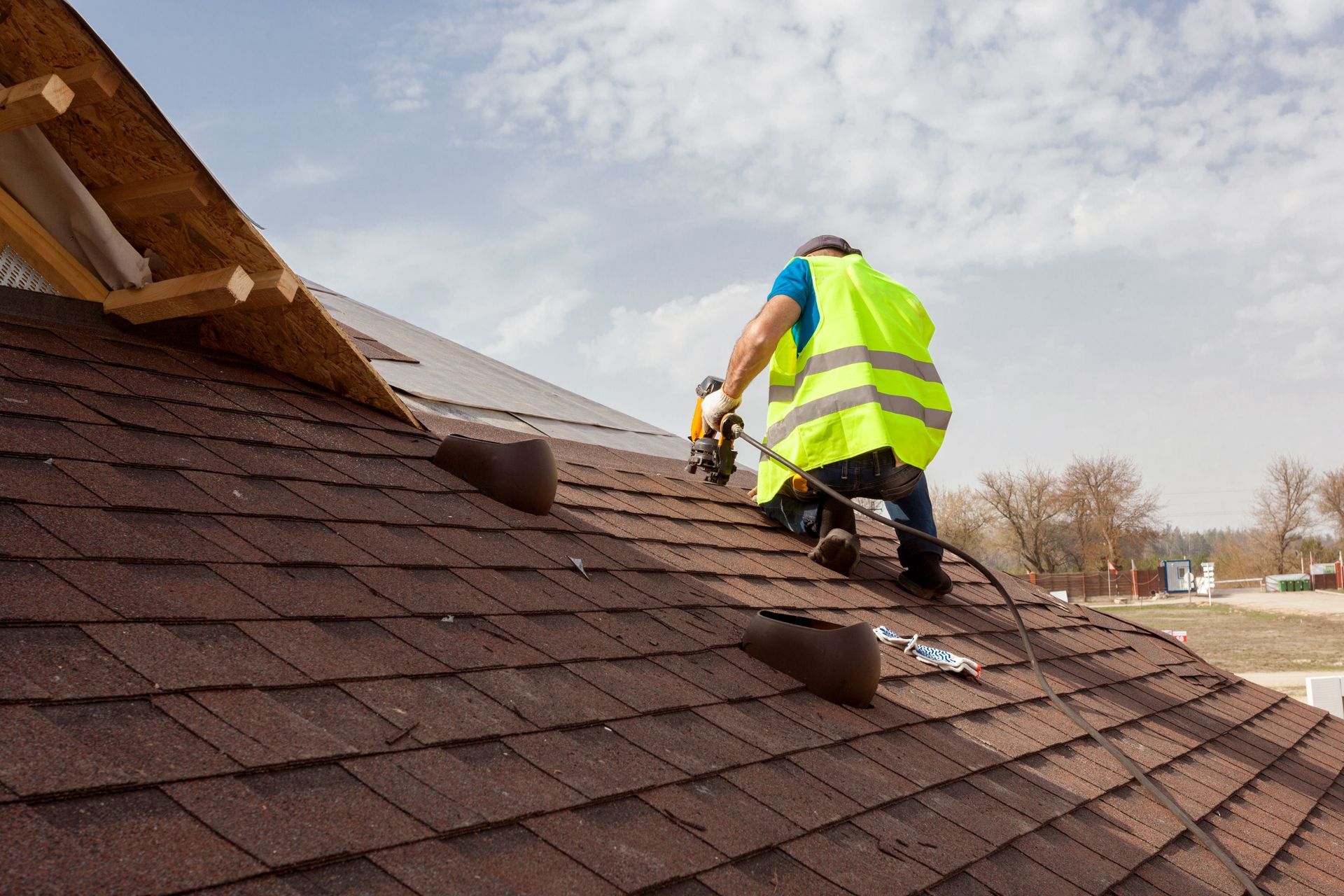
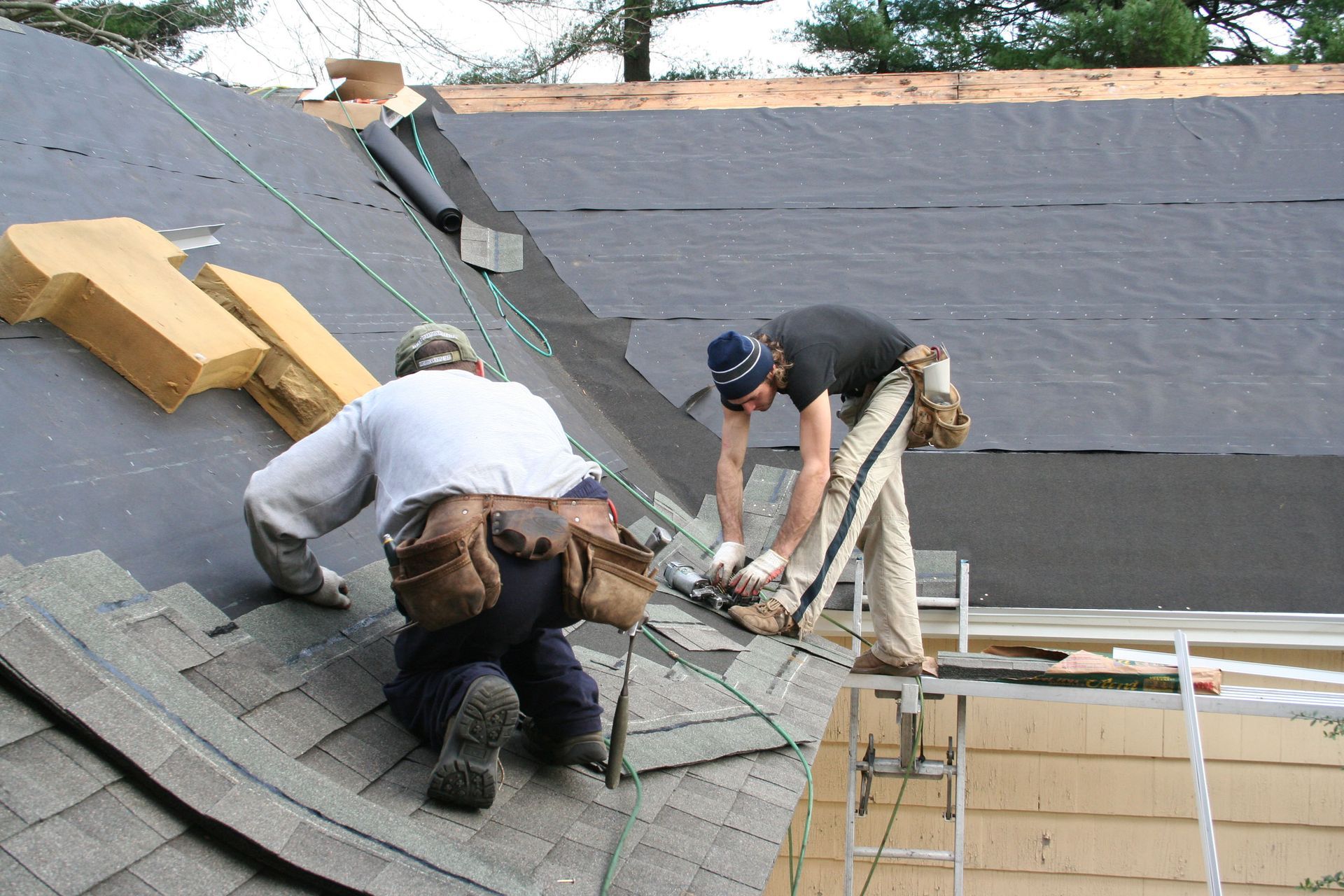
Unlike standard residential roofing projects that might be wrapped up in a matter of two or three days, large-scale commercial installations can take weeks or even several months to fully complete. To guarantee the building's watertight integrity during this extended timeline, skilled commercial roofers execute the physical labor in carefully calculated, phased sections.
The crew will perform necessary tear-offs and install the new roofing system on one specific, manageable grid at a time. The golden rule of commercial roofing is to never tear off more than you can completely seal back up in a single day. This strategic daily phasing ensures that the building interior — along with its valuable inventory and working employees — is never exposed to sudden rainstorms or unexpected weather events overnight. Throughout this execution phase, site supervisors continuously monitor daily progress against the master timeline, adjusting crew sizes, shifts, or workflows to maintain forward momentum without ever sacrificing the quality or precision of the installation.
6. Quality Assurance and Warranty Processing
A massive commercial roofing project does not officially end just because the final roll of membrane is laid down and sealed. The penultimate phase involves a rigorous and highly detailed quality assurance protocol. Experienced commercial roofers conduct meticulous final walkthroughs to scrutinize the work. Often, this is accompanied by certified technical representatives directly from the commercial roofing material manufacturer.
During this inspection, they probe every single heat-welded seam, test the flashing around every HVAC curb, and inspect all pipe penetrations to ensure the installation strictly meets the manufacturer's warranty standards. Once the roof passes this rigorous multi-point inspection, the client is provided with comprehensive closing documentation. This typically includes the coveted No Dollar Limit (NDL) manufacturer warranties, contractor workmanship guarantees, and a detailed outline of the materials used, providing the building owner with complete peace of mind and long-term legal protection for their investment.
7. Long-Term Partnership and Maintenance Support
The final phase of a large-scale commercial roofing project transitions from active construction into long-term asset management. Because proactive, regular care drastically extends the lifespan of any commercial roof, top contractors do not just walk away when the invoice is paid. They offer ongoing, customized preventative maintenance programs designed to keep the new roofing system in absolute peak condition for decades to come.
Tackling a sprawling commercial roof is not a job for novices or standard residential crews; it demands immense logistical coordination, financial transparency, structural engineering knowledge, and uncompromising safety standards. We pride ourselves on delivering elite craftsmanship and seamless project management on commercial projects of every size and complexity. If your warehouse, retail center, or industrial facility requires expert attention, trust our seasoned commercial roofers to manage the process flawlessly from day one. Contact USA Roofing & Waterproofing LLC to schedule your comprehensive facility consultation today.