April 17, 2026
Metal roofing has gained popularity over the years, positioning itself as a robust alternative to traditional roofing materials. As businesses aim to optimize their operational costs and minimize environmental impacts, evaluating roofing options becomes crucial, often with guidance from a commercial roofer. Metal roofs are known for their durability, longevity, and modern aesthetic appeal. Understanding the nuances of metal roofing can empower business owners to make informed decisions about roof management and investment.
Understanding the Basics of Metal Roofing
Definition and Types of Metal Roofing
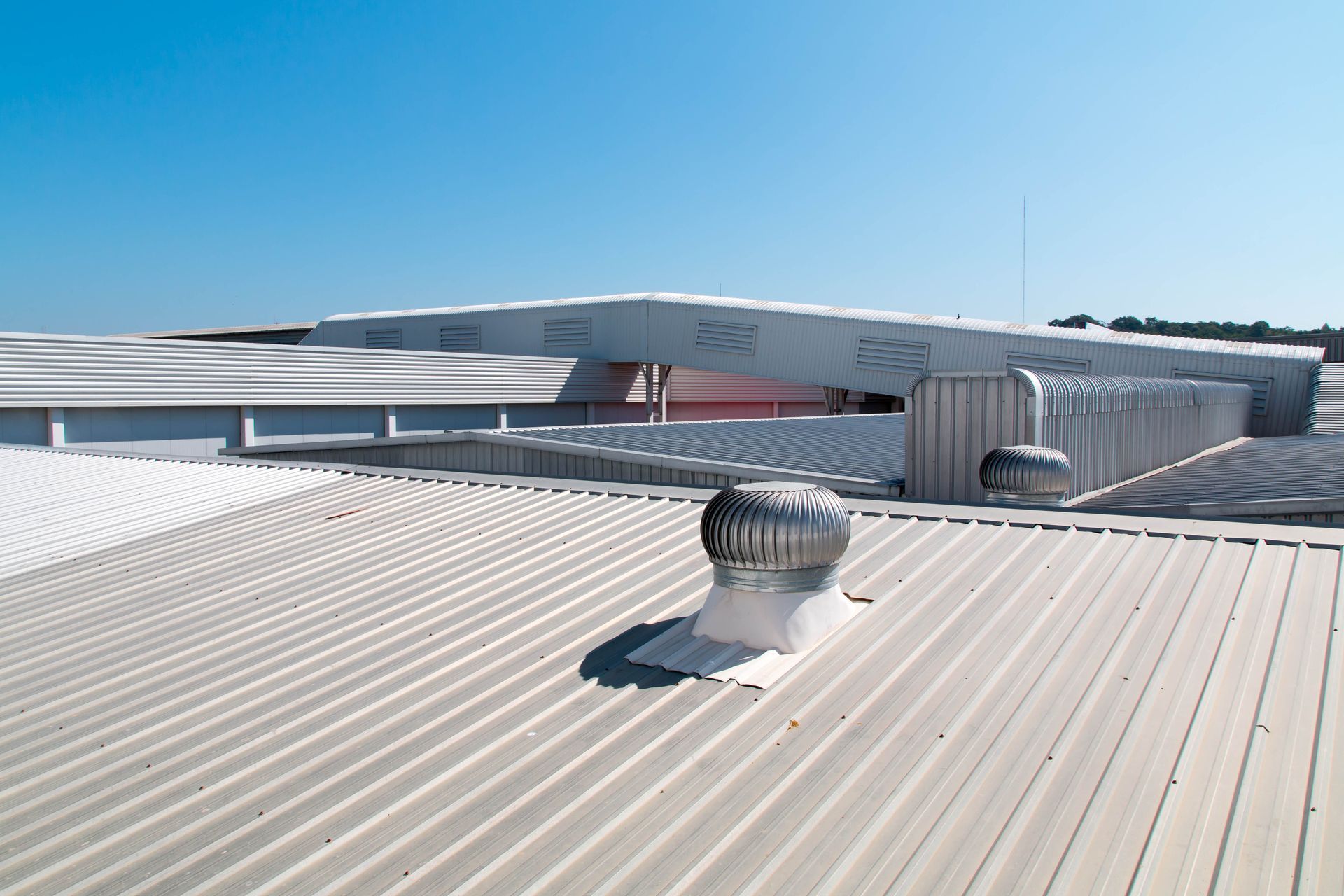
Metal roofing refers to roofing systems that are made from metal pieces or tiles characterized by enhanced resistance, impermeability, and longevity. Traditionally, metal roofs were made from corrugated galvanized steel, a feature still prevalent today, but modern advancements have introduced other types such as aluminum, copper, and zinc. Standing seam metal roofing is a popular option, recognized for its durability and sleek look. Each type offers unique benefits and is suited to different architectural requirements. Due to its versatility and range, metal roofing continues to be a favored choice for commercial enterprises.
Popular Materials Used in Metal Roofing
The most common materials used in metal roofing include aluminum, copper, tin, zinc, and steel. Aluminum is known for its lightweight properties and rust resistance, perfect for coastal environments. Galvanized steel offers an economical yet sturdy choice, and its recyclability enhances its environmental profile. Copper, though more expensive, provides an upscale finish prone to beautiful patina over time. Each material differs in cost, aesthetic appeal, and maintenance requirements, offering options that align with varied business needs and budgets.
Advantages Over Traditional Roofing Options
Metal roofing offers several advantages over traditional materials like asphalt shingles and tar. Foremost among these are longevity and resistance; metal roofs can last for decades, vastly outlasting alternatives. Metal materials are also more fire-resistant, providing a higher safety rating for commercial properties. Moreover, metal roofing reflects sunlight, helping to reduce heat gain, which can lower energy costs associated with cooling systems. These advantages make metal roofing a compelling option for businesses looking to maximize their roofing investment with the expertise of a commercial roofer.
Durability and Longevity
Resistance to Weather Conditions
Metal roofing is celebrated for its formidable resistance to harsh weather conditions. Ice, snow, and rain easily slide off metal surfaces, preventing water retention and subsequent damage. Such roofs can withstand extreme winds and are less susceptible to cracking under thermal expansion and contraction. Furthermore, metal’s resistance to fire and insects adds a layer of protection. These attributes are crucial for businesses operating in areas prone to severe weather, and a commercial roofer can recommend the best metal system for local climate conditions.
Expected Lifespan Compared to Other Roofing Types
The longevity of metal roofing sets it apart from other materials significantly. According to This Old House, metal is the second-most popular material, indicative of its widespread acceptance due in part to its lifespan. The aesthetic and structural integrity of metal roofing often remains intact throughout its lifecycle, necessitating fewer repairs and replacements. This extended duration ultimately translates to cost savings and less frequent disturbances for business operations.
Maintenance Requirements and Best Practices
Although metal roofs are low-maintenance, adhering to specific best practices can enhance their longevity. Regular inspections help identify potential issues like loose fasteners, seam corrosion, and water damage early. Cleaning the roof to prevent debris build-up is crucial, as accumulation can lead to rust and other problems. Prompt treatment of minor damages prevents the need for more extensive repairs, safeguarding the roof’s integrity. Working with a certified commercial roofer ensures the roof’s long-term performance with minimal upkeep efforts from owners.
Cost Analysis and Return on Investment
Initial Costs vs. Long-term Value
While the initial cost of metal roofing may be higher than traditional roofing materials, the long-term value often justifies the expense. Metal roofs require fewer replacements, reducing overall expenditure over time. Businesses benefit from decreased maintenance costs, freeing funds for other essential operations. Additionally, energy efficiency can further augment cost savings, as metal roofing aids in reducing utility bills. Evaluating cost savings against the initial outlay, often with guidance from a commercial roofer, can illustrate the favorable return on investment of metal roofing systems.
Comparative Cost with Other Roofing Materials
When comparing costs across various roofing materials, metal roofing typically shows a higher upfront cost but greater long-term financial benefits. Metal tends to outlast both asphalt shingles and BUR systems, providing more extended service with fewer interventions. Tile roofing, although expensive like metal, lacks metal’s lightweight property, often necessitating additional structural support. Such comparisons highlight metal roofing's position as a strong candidate for businesses looking for lasting solutions. A comprehensive cost analysis aids in making informed financial decisions based on specific requirements.
Energy Efficiency and Savings
Metal roofing contributes significantly to energy efficiency by actively reducing building heating and cooling costs. Its reflective surfaces deflect solar radiant heat, thus lessening the burden on HVAC systems and cutting down on energy consumption. This efficiency leads to reduced carbon emissions, aligning with sustainable business practices. Metal roofing, therefore, not only offers durability but also supports eco-friendly initiatives that favor financial and environmental benefits.
Environmental Impact and Sustainability
Recyclability of Metal Roofing Materials
Metal roofing materials are highly recyclable, making them an excellent choice for environmentally-conscious enterprises. The majority of metal roofing components can be recycled at the end of their life cycle, reducing landfill contributions. Roofing made from recycled content is also available, further minimizing environmental impact. This recyclability aligns with the growing demand for sustainable business practices. By investing in metal roofing, businesses can significantly improve their environmental footprint while benefiting from the practical advantages the material offers.
Lower Carbon Footprint in Production
The production of metal roofing materials generally involves lower carbon emissions compared to traditional roofing. This lower footprint stems from the energy-efficient manufacturing processes and the ability to recycle metals thoroughly. Opting for metal roofing supports broader initiatives aimed at reducing industrial impacts on the environment. With global concerns over climate change, businesses are increasingly accountable for contributing to sustainability efforts. The commitment to environmentally friendly materials such as metal roofing signals a forward-thinking approach to operations and community responsibility.
Energy Efficiency Contributions
Metal roofs significantly enhance energy efficiency in commercial buildings through reflective and emissive properties. By reflecting solar energy, metal roofs reduce heat transfer into buildings, minimizing the need for air conditioning. This results in decreased energy consumption, promoting both cost savings and reduced environmental impact. Companies committed to sustainability value these contributions, recognizing the broader benefits of incorporating metal roofing. With energy costs continually rising, the advantages that metal roofing provides will become ever more significant in business operations.
Metal roofing presents itself as a durable and energy-efficient solution, supporting sustainable business practices with its recyclable materials and extended service life. Although the initial cost is higher, the long-term benefits often justify the investment due to reduced maintenance, increased energy savings, and potential financial incentives. By carefully considering the outlined factors, businesses can determine whether metal roofs resonate with their structural and environmental goals. Engaging in conversations with a qualified commercial roofer can further enlighten decisions involving this pivotal aspect of commercial property management. Protect your commercial property with roofing solutions built to last. Contact USA Roofing & Waterproofing LLC today!