April 7, 2026
In recent years, the construction industry has witnessed a surge in demand for sustainable roofing materials. As awareness about environmental issues grows, more people are seeking eco-friendly solutions for their homes and businesses. Technological advancements have made sustainable roofing materials more efficient and accessible, allowing them to replace traditional options. The global call for measures to combat climate change and reduce environmental footprints is pushing both consumers and industries toward more sustainable practices. As the world continues to evolve, the importance of integrating ecological considerations into every aspect of construction becomes increasingly clear. Professional roofers are now at the forefront of this transition, helping property owners navigate a marketplace that is rapidly moving away from resource-heavy methods toward greener alternatives. This evolution represents a fundamental shift in how we perceive long-term structural value and environmental responsibility within the modern building sector today.
Environmental Impact of Traditional Roofing Materials
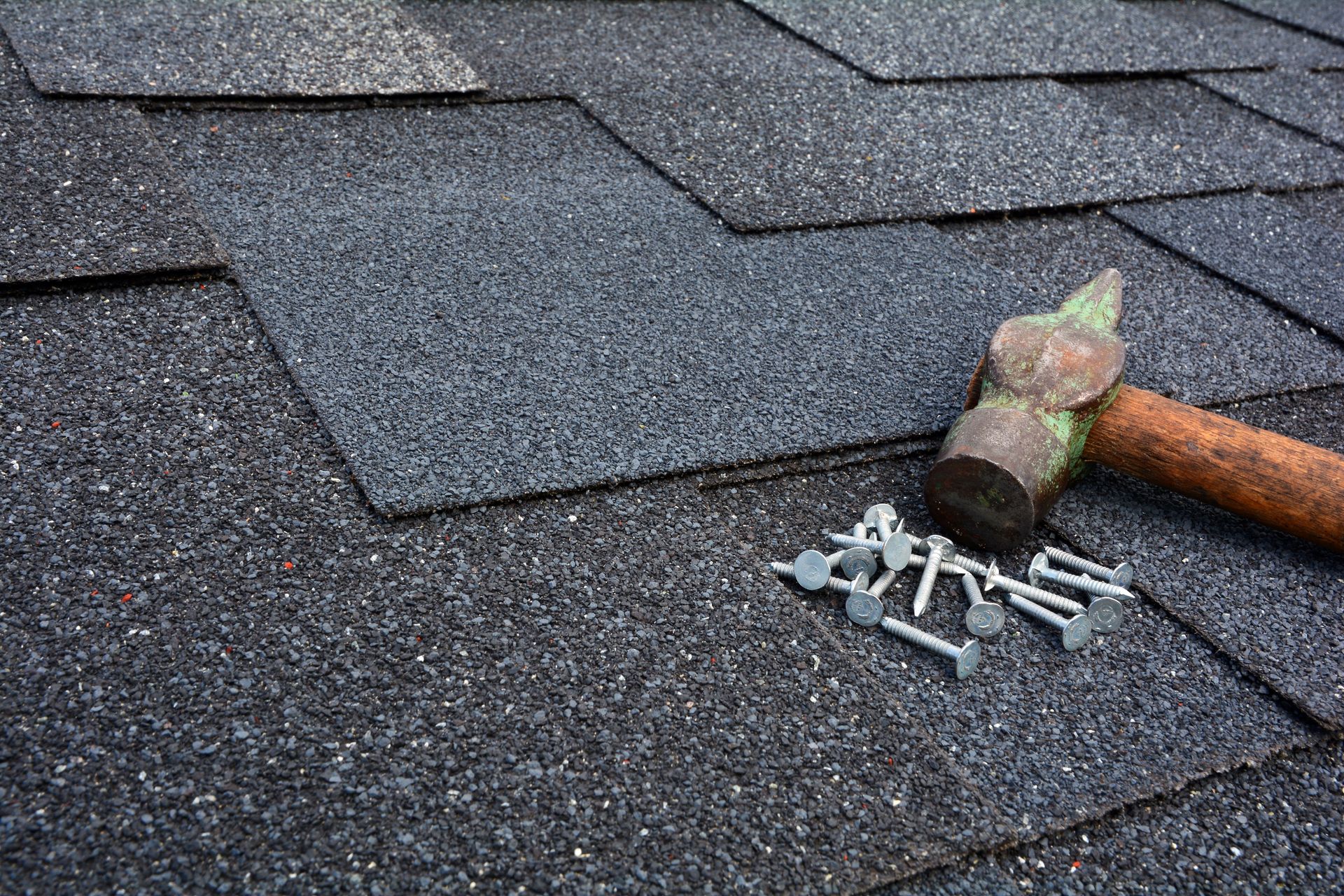
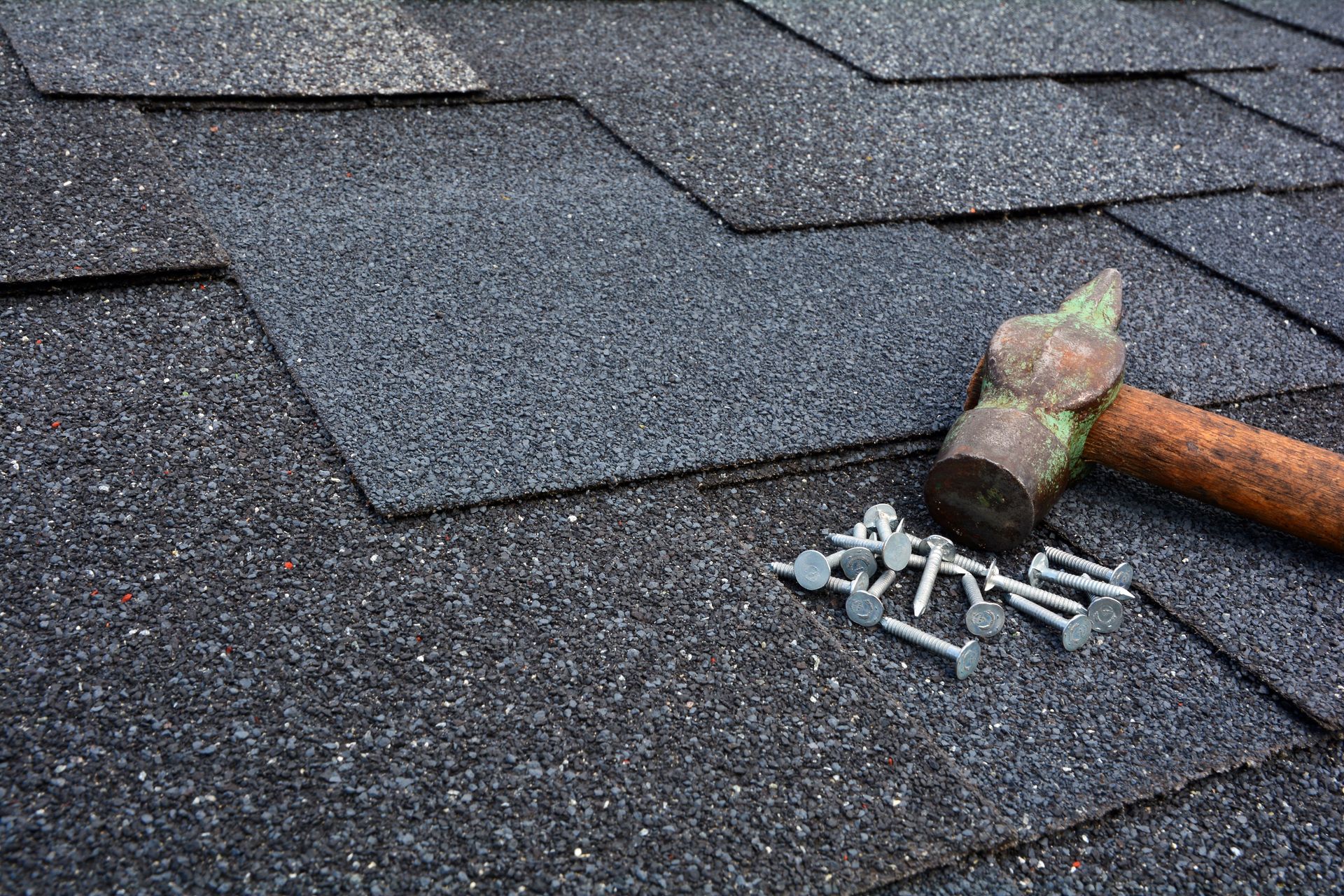
Traditional materials, such as asphalt shingles, contribute significantly to environmental degradation. Resource depletion is a primary concern, as the manufacturing of these materials often requires non-renewable resources. Additionally, once these roofs reach the end of their lifecycle, they frequently end up in landfills, contributing to massive waste accumulation. This not only takes up valuable space but also poses risks of harmful chemical leaching into the soil and water. In contrast, sustainable materials offer recyclable, durable options that reduce overall environmental impact. Many roofers recommend these alternatives because they provide a circular lifecycle, where materials can be repurposed rather than discarded. This approach minimizes the carbon footprint of the home while ensuring that toxic waste does not enter our local ecosystems unexpectedly.
The longevity of a roof is a major factor in its total environmental cost. While traditional shingles may need replacement every fifteen to twenty years, sustainable options often last twice as long. This durability means fewer raw materials are extracted over the life of the building and less energy is spent on repeated manufacturing and transportation. Local roofers often highlight that choosing a longer-lasting material is one of the most effective ways to practice environmental stewardship. By reducing the frequency of total replacements, property owners can save money while simultaneously protecting natural resources for future generations. This long-term perspective is essential for sustainable development in urban and rural areas alike, fostering a culture of permanence over the disposable trends seen in previous decades.
Energy Efficiency and Reflective Roofing Solutions
Energy efficiency is a significant factor driving the demand for sustainable materials. Homes and buildings equipped with sustainable systems can significantly reduce their energy consumption, leading to lower utility bills. According to Zuper, the use of reflective cool roof materials can lower energy usage by one-third, or even up to five-eighths in certain environments. This not only benefits individual consumers financially but also reduces the overall demand for the power grid, contributing positively to environmental sustainability. As energy costs continue to rise, the financial appeal of energy-efficient systems becomes even more attractive to those looking to modernize their properties. Investing in these systems creates a buffer against fluctuating utility prices while providing a reliable return on investment through monthly savings and reduced maintenance needs.
Cool roofing technology works by reflecting more sunlight and absorbing less heat than a standard surface. This keeps the building cooler during the hottest months, reducing the strain on HVAC systems and extending their operational life. Experienced roofers can assess a building's specific climate and orientation to recommend the most effective reflective coatings or materials. This tailored approach ensures that the property achieves maximum thermal performance. Beyond individual savings, the widespread adoption of these technologies helps mitigate the urban heat island effect, making entire neighborhoods more comfortable and reducing the collective energy footprint of the community. These strategic improvements are vital for maintaining comfortable indoor environments without relying solely on mechanical cooling methods that consume vast amounts of electricity annually.
Consumer Awareness and Property Value Increases
Today's consumers are more informed and conscious about their purchasing decisions, increasingly prioritizing sustainability. This shift has led to a rise in demand for eco-friendly systems among homeowners and businesses alike. People are looking to align their investments with their values, opting for materials that offer both aesthetic appeal and environmental benefits. As awareness of environmental issues deepens, so does the trend toward sustainable living. This movement is not only a personal choice for many but also a way to contribute to global ecological efforts. Forward-thinking roofers are seeing an influx of clients who specifically request materials with high recycled content or low-carbon manufacturing profiles. Consequently, properties featuring green certifications or sustainable upgrades often command higher prices and attract more serious buyers during the resale process.
Durability and Sustainability of Metal Roofing
Lauded for its durability and environmentally-friendly properties, metal roofing is a highly sustainable option. Made from materials such as steel, aluminum, and copper, these systems can withstand extreme weather conditions with minimal degradation over many decades. They are also highly recyclable, reducing waste and promoting a circular economy within the construction industry. Many metal systems also incorporate reflective coatings, enhancing energy efficiency by reducing heat absorption. This combination of durability and energy performance makes metal an ideal choice for property owners. Local roofers often prefer working with metal because of its lightweight nature and ease of installation on various architectural styles. Furthermore, the fire-resistant properties of metal provide an added layer of safety that traditional wood or asphalt materials simply cannot match.
Natural Stone and Recycled Material Innovations
Clay and concrete tiles offer an eco-friendly solution due to their long lifespan and natural material composition. These tiles are incredibly durable, capable of lasting for several decades with proper maintenance. Being made from abundant natural resources reduces the environmental impact associated with their production. Additionally, clay and concrete tiles provide excellent thermal insulation, helping to regulate indoor temperature and reduce energy consumption. Property owners benefit from aesthetic versatility, as tiles are available in various colors and finishes. Roofers who specialize in masonry-style products can create stunning, timeless looks that are as functional as they are beautiful. These heavy-duty materials are particularly effective in coastal areas where salt spray and high winds frequently damage lesser quality roofing systems over time.
Advanced Design and Smart Technology Integration
Technological improvements in manufacturing have greatly enhanced the performance and appeal of sustainable materials. Modern production techniques have resulted in more durable and energy-efficient options that offer significant savings. High-tech coatings and composites have improved reflectivity and insulation, furthering the sustainability goals of the modern era. Manufacturers continue to innovate with eco-friendly processes that minimize waste and pollution. These advancements make sustainable choices a competitive option, aligning with both economic priorities and environmental goals. Skilled roofers stay updated on these innovations to provide the most current solutions to their clients. By integrating smart sensors and solar-ready components, these modern roofs do more than just shield the building; they actively contribute to the building's overall technical intelligence and efficiency.
Sustainable roofing materials offer numerous benefits, including ecological conservation, energy savings, and enhanced property values. The challenges related to higher initial costs are outweighed by the long-term financial and environmental advantages. As advancements in technology and growing environmental consciousness continue to drive demand, the future of this field looks promising. Stakeholders in the construction industry are encouraged to embrace these eco-friendly options as part of a broader commitment to sustainability. By doing so, they contribute to a healthier planet and future generations, aligning with global goals toward environmental protection. For those ready to upgrade their property with high-quality, sustainable solutions, contact the team at USA Roofing & Waterproofing LLC today.