July 7, 2026
In this article, we will explore the various factors that determine the longevity of a roof, as guided by insights from expert local roofers. Understanding these factors is essential for homeowners who wish to maximize the lifespan of their roofing investments. Guidance from local roofers helps clarify how different conditions and decisions influence overall roof performance over time.
Informing Roofing System Selection
Explaining Common Roofing Systems
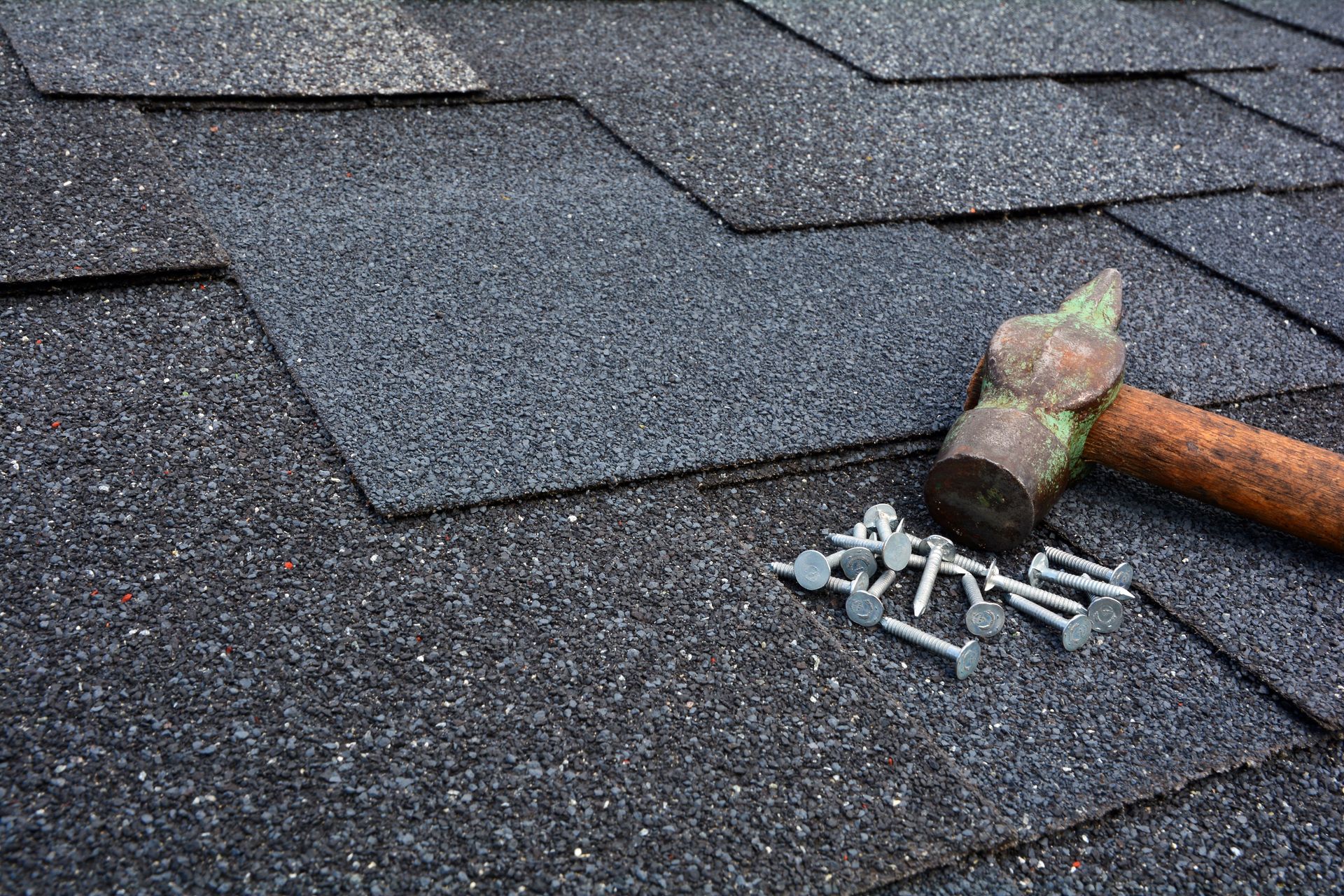
Roof longevity often begins with selecting a roofing system that matches the building's needs and environmental conditions. Asphalt shingles remain a common option for residential properties because they provide dependable protection and are widely used throughout the region. Metal roofing systems offer durability and resistance to weather exposure, while low-slope commercial buildings often utilize TPO roofing systems. Local roofers frequently evaluate these systems based on structure type and long-term performance expectations.
Roof coatings and silicone restoration systems can also extend the useful life of existing roofing assemblies. These solutions help improve water resistance and reduce deterioration caused by exposure to the elements. Selecting the appropriate roofing system depends on factors such as building design, roof slope, drainage requirements, and maintenance expectations, as noted by local roofers working in varied environments.
Evaluating Material Quality for Durability
The quality of roofing materials directly influences the durability and lifespan of roofs. Factors such as material thickness and density are critical in determining their resilience to external stressors. High-quality materials typically provide better resistance against weather-related damage such as hail, heavy rain, or strong winds. Local roofers often assess material quality as part of long-term roofing performance planning.
Another key element in assessing material quality is resistance to local weather conditions. For example, roofs in areas with frequent rainfall must be capable of resisting moisture, while those exposed to extended sunlight should withstand ultraviolet exposure. According to RubyHome, the average roof lasts between 20 and 50 years depending on material quality. Local roofers use this type of benchmark to help set expectations for homeowners regarding service life.
Applying Roof Coatings and Restoration Solutions
Roof restoration and coating systems can help extend the life of existing roofing materials. Silicone roof coatings create a protective barrier that helps resist moisture intrusion and weather-related deterioration. These systems are often used on commercial and low-slope roofs to address aging surfaces without requiring immediate replacement, as explained by local roofers.
Roof coatings may improve water resistance and help preserve the underlying roofing structure. Restoration solutions can also reduce minor surface deterioration and address certain types of wear before more extensive damage develops. Local roofers frequently apply these solutions as part of preventive maintenance strategies.
Ensuring Proper Installation Practices
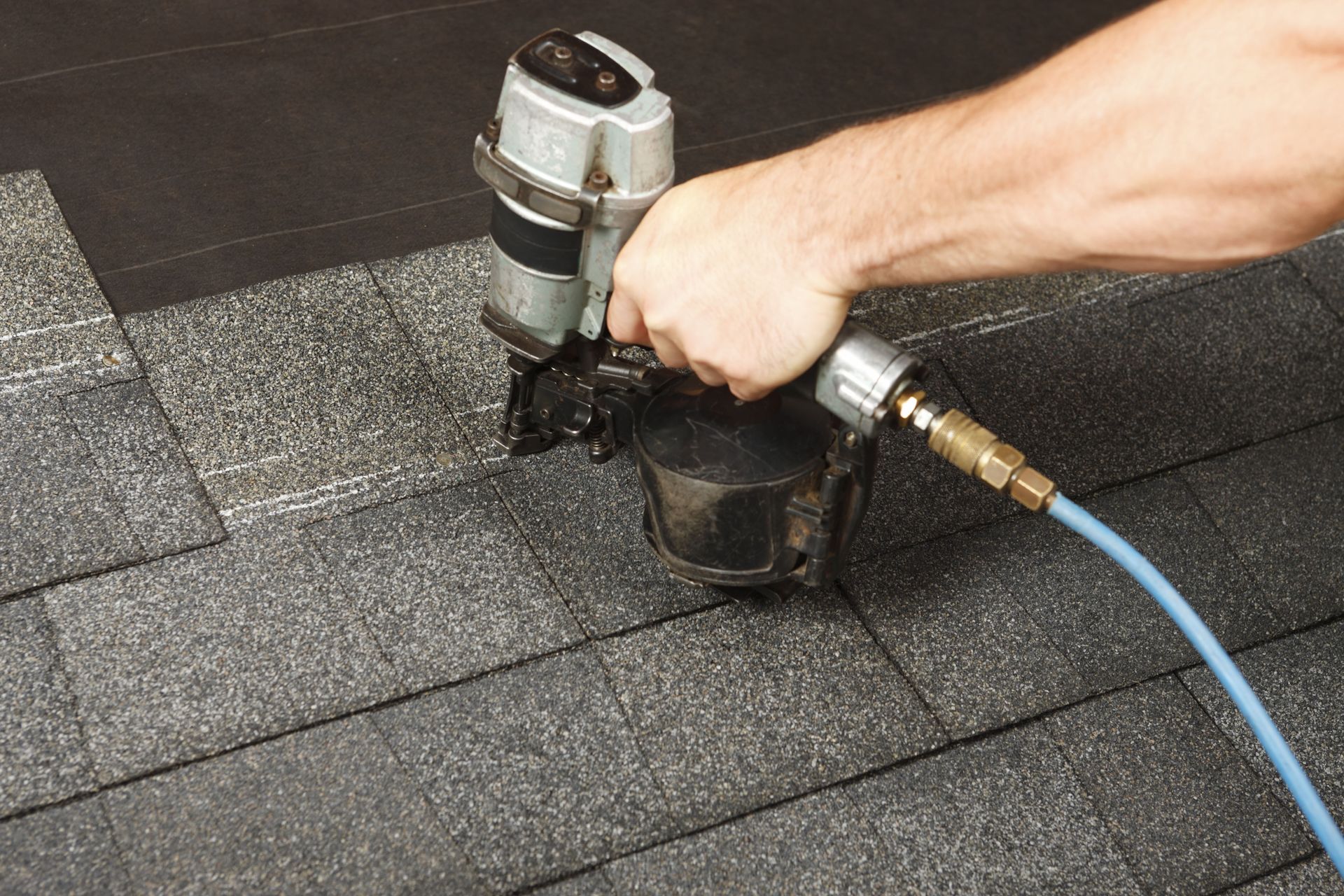
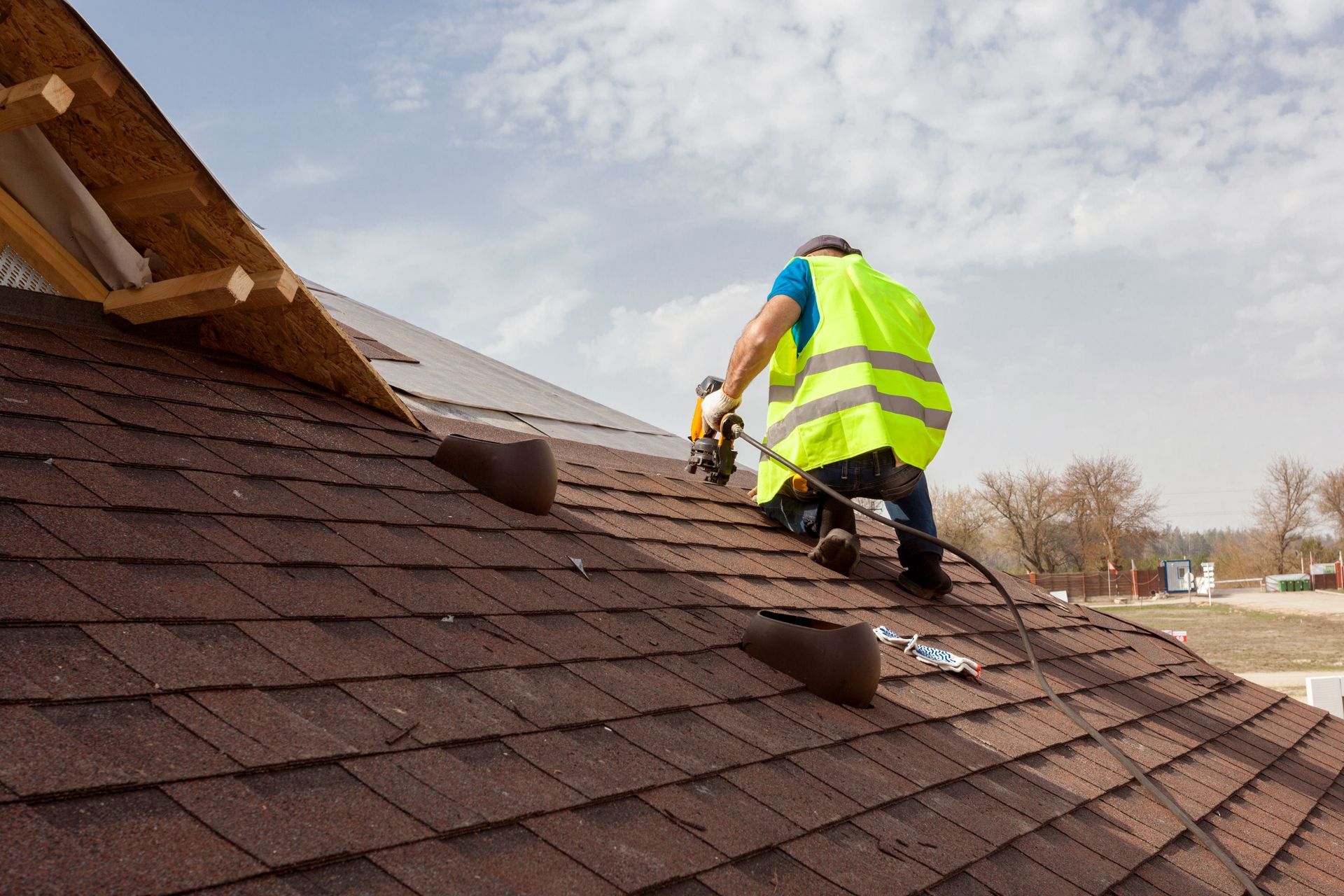
Proper installation practices significantly influence roof longevity. Roofing systems rely on the correct placement of materials, secure fastening methods, effective flashing installation, and proper water management. Local roofers emphasize that each of these components contributes to long-term performance.
Installation errors can create vulnerabilities that allow moisture intrusion, leaks, or premature deterioration. Adequate drainage and ventilation also contribute to long-term performance by reducing moisture buildup and temperature-related stress. Local roofers frequently identify installation quality as a key factor in preventing avoidable roofing issues.
Maintaining Preventive Roof Care
Routine maintenance can help identify roofing concerns before they become more extensive. Periodic inspections allow roofing professionals, including local roofers, to evaluate roof conditions, identify drainage issues, and monitor signs of wear over time.
Maintenance activities such as debris removal, gutter cleaning, moss treatment, and minor repairs can help preserve roofing materials and improve drainage performance. These services may reduce the likelihood of water intrusion and premature deterioration, according to local roofers who provide ongoing maintenance services.
Applying Installation Expertise and Workmanship
Relying on Professional Installers
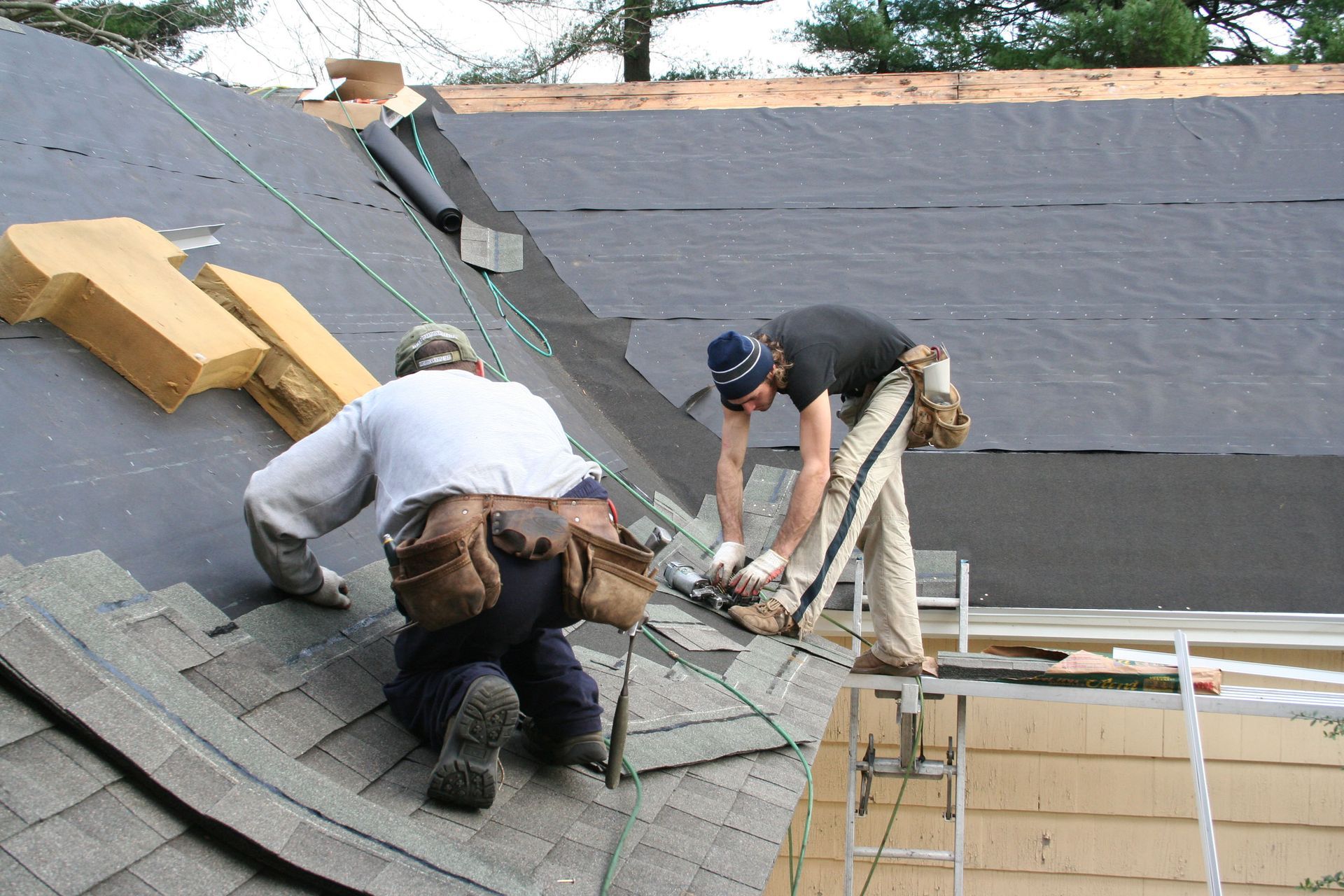
Professional craftsmanship is indispensable in roofing installation and directly affects roof longevity. Skilled labor is necessary to properly handle and install various roofing materials, each requiring specific techniques for optimal performance. Local roofers often provide insight into how workmanship impacts overall system durability.
The impact of installation errors on roof durability cannot be overstated. Common errors include improper sealing of joints, inadequate ventilation, and incorrect placement of roofing materials. Such mistakes can create vulnerabilities that lead to leaks, drafts, and increased wear over time, as noted by local roofers experienced in repair work.
Managing Drainage and Ventilation Systems
Proper drainage and ventilation contribute significantly to roof performance and longevity. Standing water, trapped moisture, and inadequate airflow can accelerate deterioration and increase the likelihood of leaks. Local roofers frequently assess these systems during inspections.
Effective drainage systems help move water away from roofing materials, reducing moisture exposure. Gutters and related drainage components also help protect the roof and surrounding building components from water damage. Local roofers often stress the importance of keeping these systems clear and functional.
Conducting Post-Installation Inspections
Post-installation inspections are important for confirming that a newly installed roof performs as expected. Regular inspections conducted after installation and periodically throughout the roof's lifespan help identify potential concerns early. Local roofers often recommend scheduled evaluations to maintain performance.
Early detection of problems such as leaks, material deterioration, or drainage issues can help reduce repair costs. Professional inspections may also identify conditions that are not immediately visible from the ground, according to local roofers performing diagnostic evaluations.
Addressing Roof Damage Promptly
Small roofing issues can become larger problems when left unaddressed. Missing materials, damaged flashing, leaks, and drainage problems may allow moisture to enter the roofing system and affect surrounding components. Local roofers frequently see how minor issues escalate when ignored.
Timely repairs can help limit additional deterioration and reduce the extent of future repairs. Following storms or severe weather events, inspections may identify damage that is not immediately visible from the ground, according to local roofers who specialize in repair services.
Monitoring Roof Conditions Regularly
Regular roof inspections provide an opportunity to identify developing problems before significant damage occurs. Inspections may reveal issues such as damaged materials, drainage concerns, leaks, or areas showing signs of wear. Local roofers use these evaluations to track roof conditions over time.
Inspections are particularly valuable following severe weather events or after extended periods of exposure to moisture and changing temperatures. Early identification of problems can support maintenance planning and help property owners prioritize repairs, as advised by local roofers.
Understanding Environmental and Climatic Conditions
Assessing Local Weather Impacts
Climate and local weather conditions play a significant role in determining a roof's longevity. Variations in temperature extremes, humidity levels, and precipitation patterns require different considerations based on regional climate. Local roofers often tailor recommendations based on these conditions.
Areas with heavy rainfall require roofing systems that resist moisture intrusion and support effective drainage. Wind events and severe storms may also affect roofing materials and structural performance over time. Local roofers evaluate these risks when recommending roofing systems.
Considering Urban and Rural Settings
The location of a property can influence roofing performance and maintenance requirements. Urban environments may expose roofs to higher levels of airborne pollutants, while rural areas often present challenges associated with vegetation, debris, and moisture retention. Local roofers account for these differences during evaluations.
Roof longevity is influenced by a combination of material choice, installation practices, ongoing maintenance, environmental exposure, and how quickly issues are addressed when they arise. Keeping up with inspections, maintaining proper drainage, and staying ahead of minor repairs can all contribute to a longer-lasting roofing system and fewer unexpected problems over time.
To learn more about roofing options and services available, USA Roofing & Waterproofing LLC offers installation, repair, coatings, restoration, maintenance, gutter services, leak detection, and commercial roofing solutions designed to support long-term roof performance.