October 13, 2025
A strong roofing system is essential to the safety, efficiency, and longevity of any building. For businesses, the stakes are even higher, as roofing failures can lead to costly repairs, safety hazards, and disruptions in day-to-day operations. That’s why understanding the services provided by a commercial roofing contractor is so critical. With proper maintenance, timely repairs, and strategic planning, commercial roofing can protect both your structure and your business operations. According to Roofer's Guild, 75% of American homes have asphalt roofs, but when it comes to commercial buildings, roofing systems often require more specialized materials and solutions to handle unique demands. When property managers stay proactive with roofing care, they not only preserve safety but also build long-term confidence in the reliability of their facilities. This article explores the essentials of commercial roofing—repairs, replacements, and maintenance—while highlighting why professional expertise makes all the difference.
1. Understand Commercial Roofing Systems
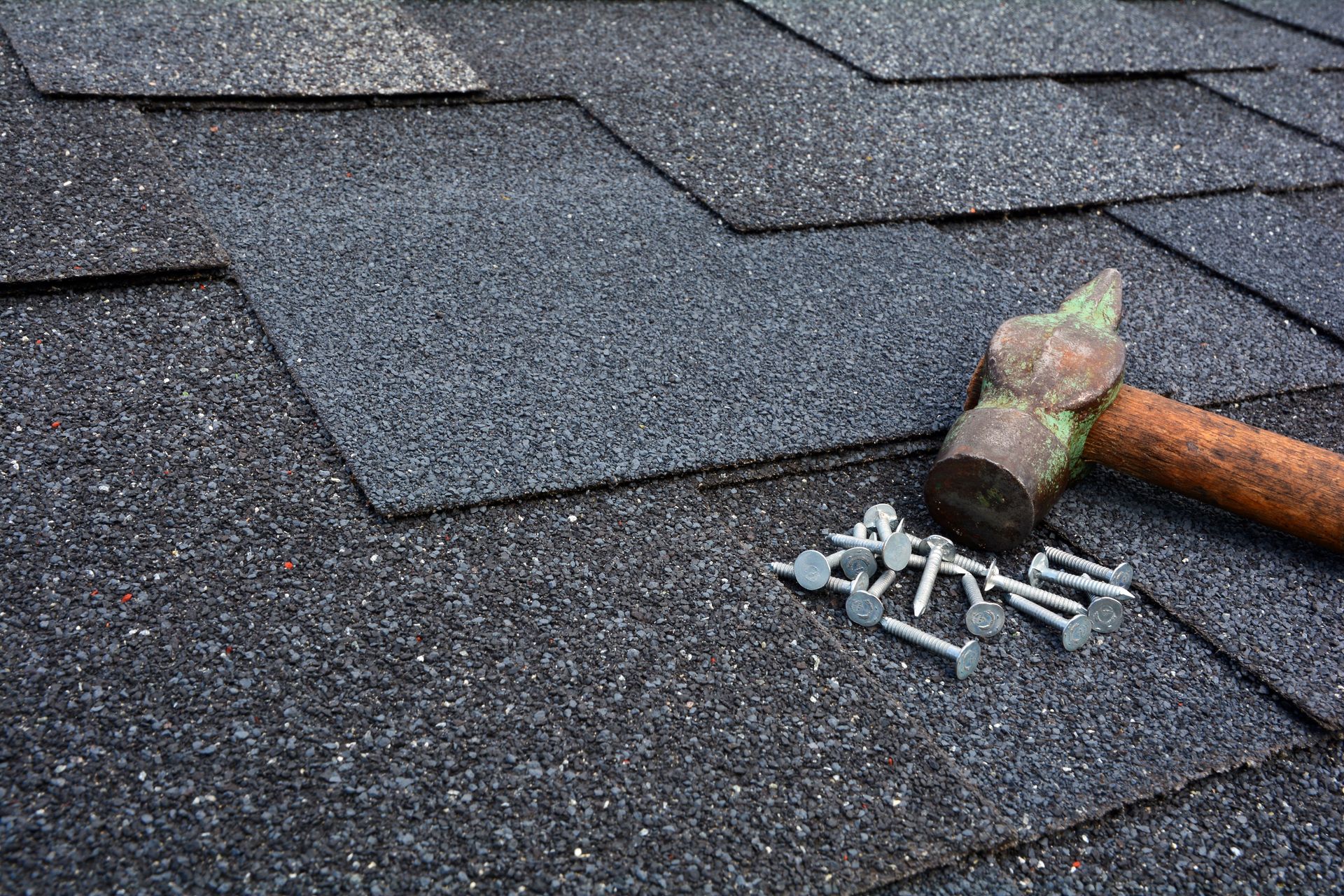
Commercial roofing systems differ greatly from residential ones in terms of materials, design, and complexity. While most homes rely on asphalt shingles, commercial buildings often utilize more durable solutions like metal, built-up roofing (BUR), or thermoplastic polyolefin (TPO). Each material has unique advantages in terms of durability, cost, and energy efficiency. For example, metal roofs can last decades with minimal upkeep, while TPO membranes are highly reflective, reducing cooling costs in warmer climates.
Choosing the right material requires an assessment of climate, building use, and long-term maintenance needs. A commercial roofing contractor helps businesses navigate these options, balancing performance with cost-effectiveness to find the most appropriate solution. This professional insight is critical in ensuring that roofing systems meet the demands of industrial environments. In addition, contractors often provide insight into regional code requirements, helping businesses avoid compliance issues that could delay projects.
2. Recognize the Differences Between Residential and Commercial Roofs
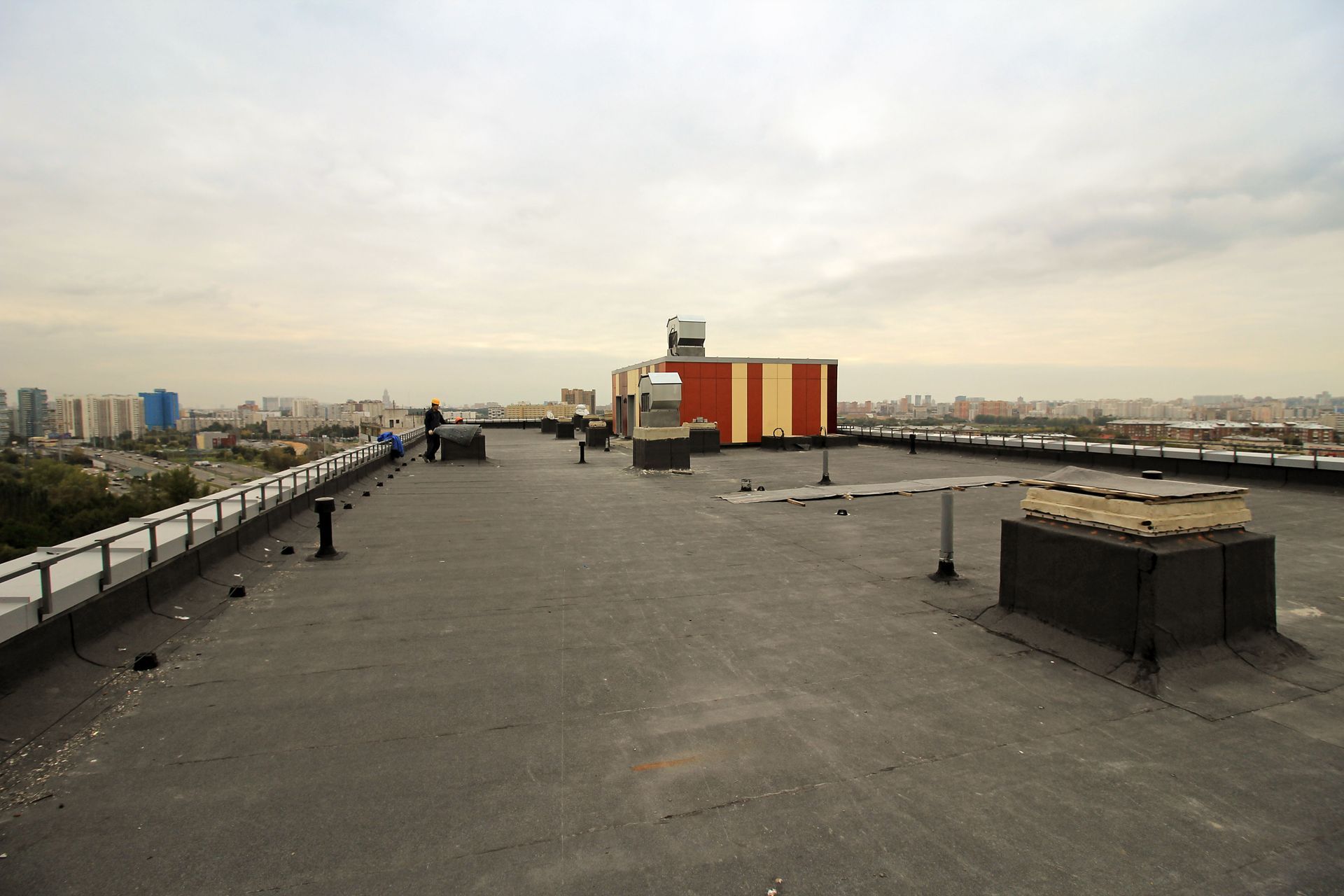
Unlike sloped residential roofs, commercial roofs are often flat or low-sloped to accommodate HVAC units, walkways, and other equipment. These flat surfaces demand materials and designs that can withstand ponding water, temperature fluctuations, and frequent foot traffic. Additionally, commercial roofs often span larger areas, increasing the importance of proper drainage systems and weather resistance.
Because of these unique requirements, repairs and installations are more complex and require specialized knowledge. A qualified commercial roofing contractor not only understands these distinctions but also ensures that installations and maintenance practices meet safety codes and industry standards. For businesses, hiring the right professional is the first step toward preventing costly structural failures. This specialized knowledge gives owners peace of mind, knowing their investment is in line with both industry expectations and local regulations.
3. Evaluate Factors That Influence Material Selection
Several factors impact the choice of roofing material for commercial properties. Climate is a primary consideration, as areas with heavy rainfall or intense heat require materials designed to withstand those stresses. Building use also matters—facilities that support heavy equipment may need reinforced roofing systems, while those prioritizing energy savings may opt for reflective or green roof designs.
Budget constraints naturally influence decisions, but cost alone should never outweigh long-term performance. Many businesses are also choosing environmentally friendly options that reduce energy consumption and align with sustainability goals. By working closely with a commercial roofing contractor, property owners can weigh these factors effectively, ensuring they make informed choices that protect both their investment and the environment.
4. Explore Common Commercial Roof Designs
Flat and low-slope roofs dominate the commercial sector due to their practicality. Built-up roofing and modified bitumen are popular flat-roof designs, valued for their affordability and durability. Meanwhile, membrane systems such as EPDM and TPO offer excellent resistance to UV radiation, chemicals, and weathering.
In recent years, green roofs have emerged as an innovative trend, covering rooftops with vegetation to reduce stormwater runoff and improve insulation. Solar-ready roofing designs are also gaining momentum, converting roof space into an energy-producing asset. Selecting the right design is more than an architectural choice—it’s a business strategy that can influence operational costs for years to come. Here again, expert input from a commercial roofing contractor helps ensure the selected design aligns with both present needs and future goals.
5. Stay Ahead with Roofing Innovations
The roofing industry has evolved significantly, with new technologies improving efficiency, sustainability, and cost savings. Cool roofs, for instance, reflect more sunlight, lowering indoor temperatures and reducing reliance on air conditioning. Solar panel installations have become especially popular among businesses seeking to reduce energy expenses while lowering their carbon footprint.
Embracing these innovations can offer long-term benefits, but implementation requires careful consideration of compatibility with the existing structure. Professional guidance ensures these systems are integrated properly without compromising roof performance. By adopting new technologies strategically, businesses can transform roofing into a key driver of sustainability and savings.
6. Prioritize Regular Roof Inspections
Routine inspections are the foundation of effective roof management. Ideally, inspections should occur twice a year—once in the spring and again in the fall—to address wear before seasonal extremes. Additional checks after major storms help detect damage early, preventing small issues from escalating into serious problems.
Inspections typically involve checking for punctures, leaks, drainage blockages, and seam integrity. A skilled commercial roofing contractor provides a comprehensive evaluation and identifies potential issues before they disrupt business operations. This proactive approach extends roof lifespan, protects warranties, and minimizes the financial impact of repairs or replacements.
7. Address Repairs Promptly and Strategically
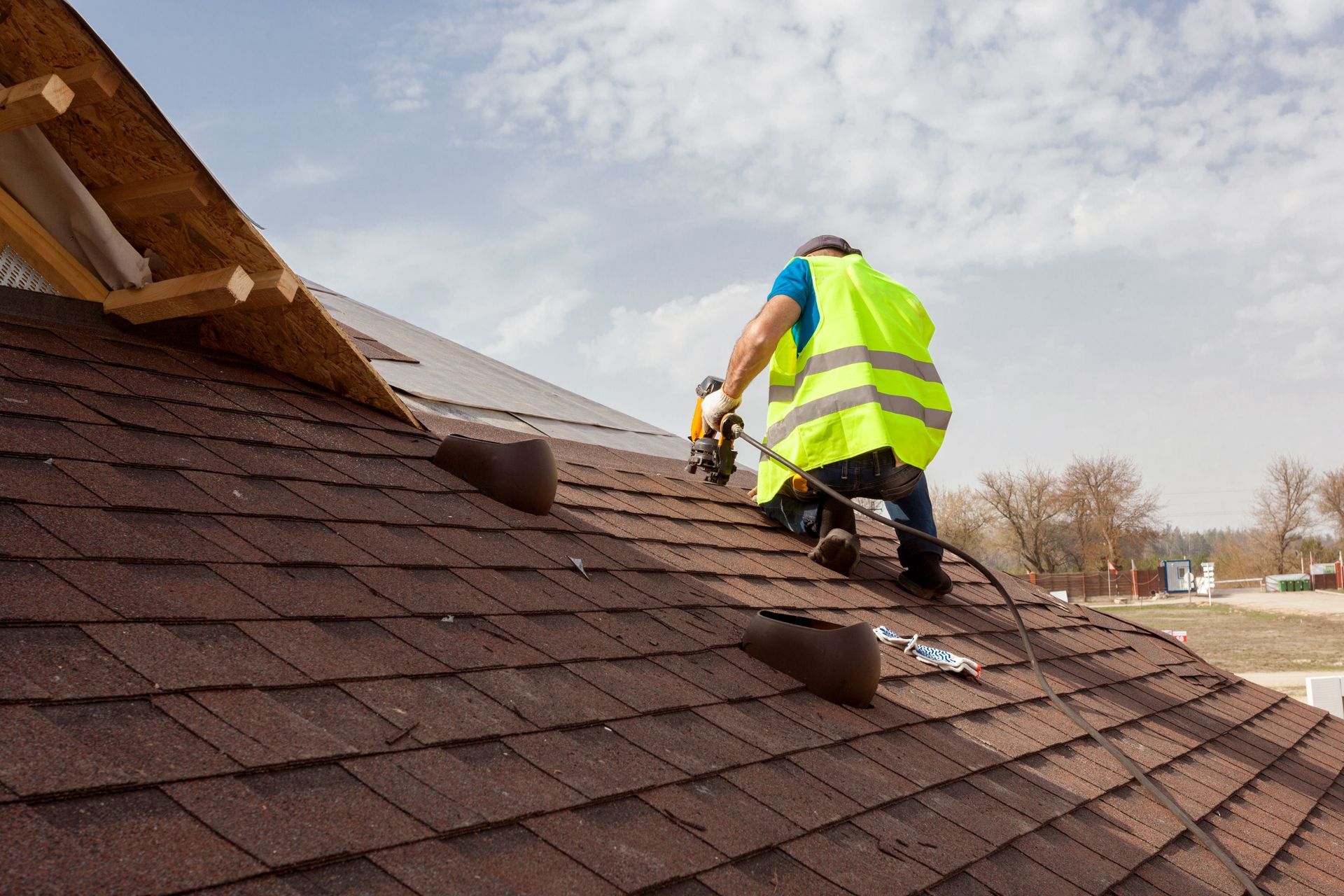
Even the most durable roofing systems face challenges, from leaks and ponding water to membrane damage and surface erosion. Routine repairs, when handled quickly, can prevent these problems from evolving into costly emergencies. Emergency repairs, on the other hand, often result from sudden weather events and carry higher costs due to urgency.
Working with a trusted
commercial roofing contractor
ensures access to quick, reliable solutions for both routine and emergency needs. These professionals employ proven techniques such as sealant application, leak patching, and flashing repairs to restore functionality efficiently. Businesses that maintain a strong relationship with a contractor can benefit from faster response times and more cost-effective solutions.
8. Know When Replacement is the Right Choice
Eventually, every roof reaches the end of its service life. Signs that replacement may be necessary include frequent leaks, sagging areas, aging materials, and energy inefficiency. Roof replacement is a significant investment, but it can reduce operating costs by improving insulation, drainage, and long-term reliability.
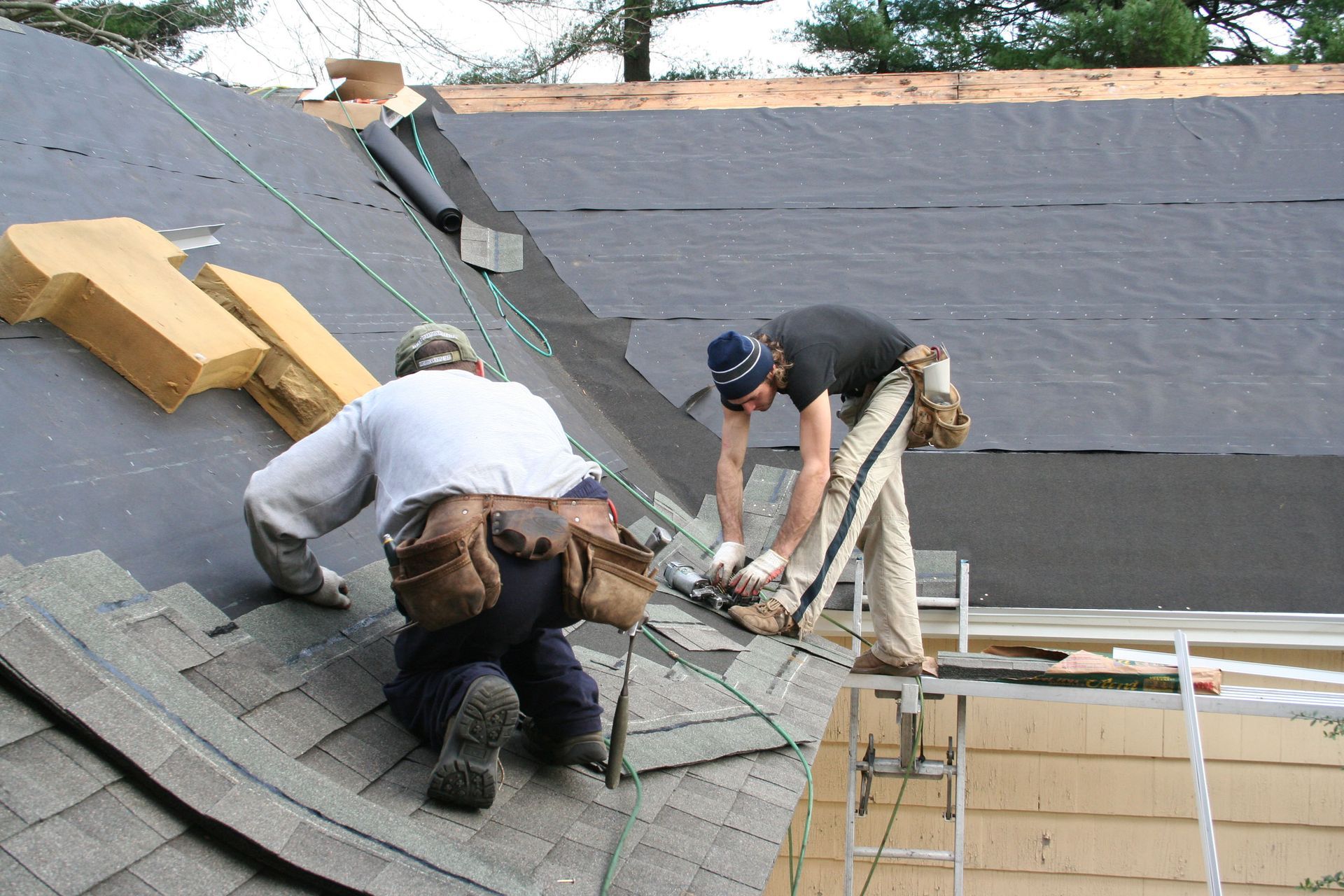
The replacement process involves assessment, removal of old materials, installation of new systems, and final inspections to ensure compliance and performance. Selecting an experienced commercial roofing contractor is essential at this stage, as proper planning and execution minimize business disruptions while maximizing the lifespan of the new roof. By approaching replacement proactively, businesses can secure both structural integrity and peace of mind.
Maintaining a commercial roof requires foresight, expertise, and commitment to regular upkeep. From material selection and inspections to repairs and eventual replacement, each stage demands professional attention. Partnering with an experienced commercial roofing contractor ensures that your roof is more than just a protective barrier—it becomes an asset that safeguards operations, enhances efficiency, and contributes to long-term savings. With more than 21 years of hands-on experience, we deliver residential and commercial roofing solutions throughout the Portland, OR area. At USA Roofing & Waterproofing LLC, we take pride in being the roofing contractor that businesses and homeowners can depend on. Contact us today to schedule an inspection or learn more about our repair, replacement, and maintenance services.